

















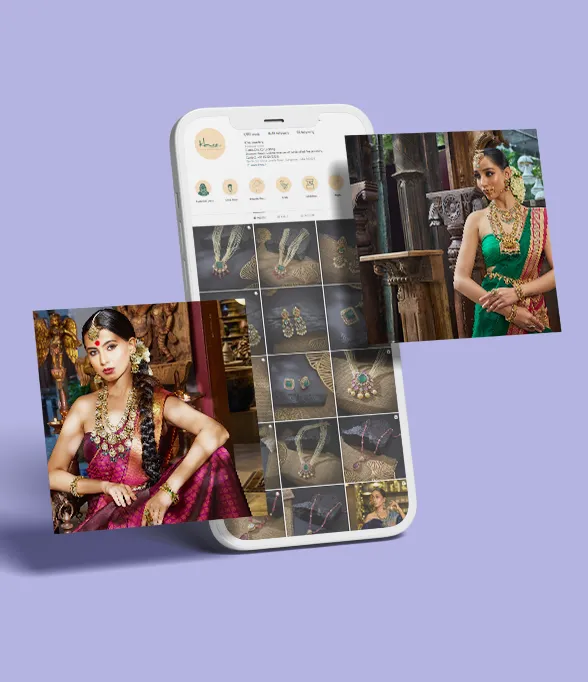
Branding · Web Development · SEO
Khea Jewellery
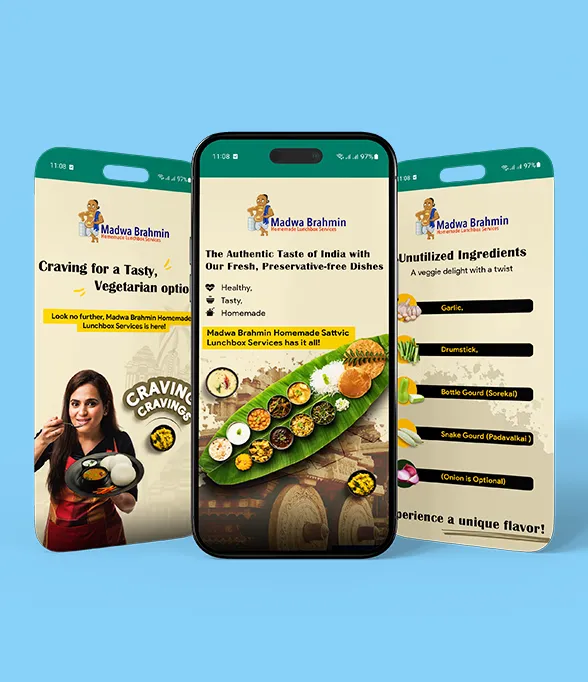
Branding · Web Development · SEO
Madwa Bramhin

Branding · Web Development · SEO
Sumathi's Kitchen Garden

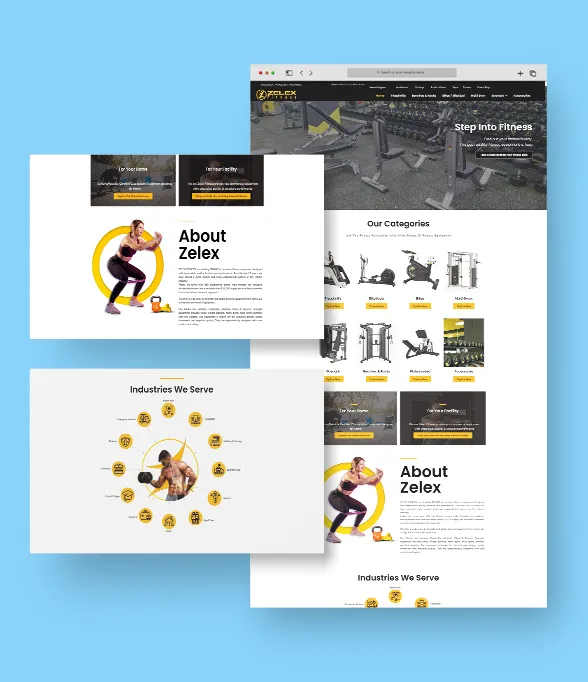
Branding · Web Development · SEO
ZELEX Fitness
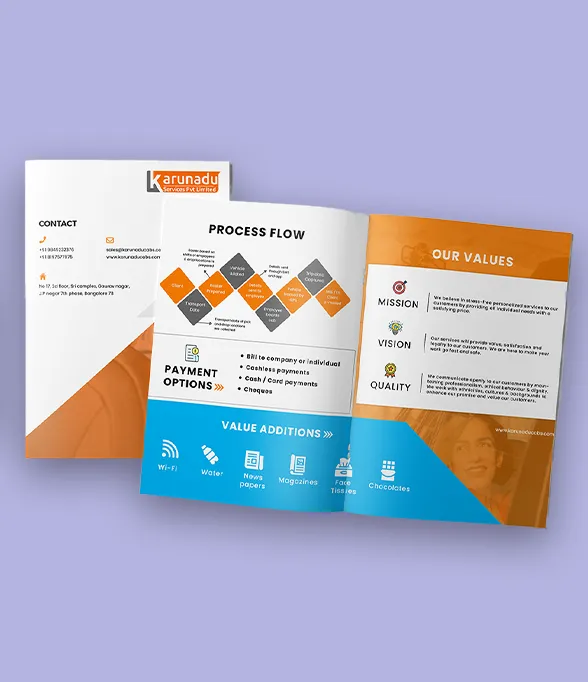
Branding · Web Development · SEO
Karunadu Services


































Business Not Showing on Google Maps? Here’s Why (And How to Fix It Fast)
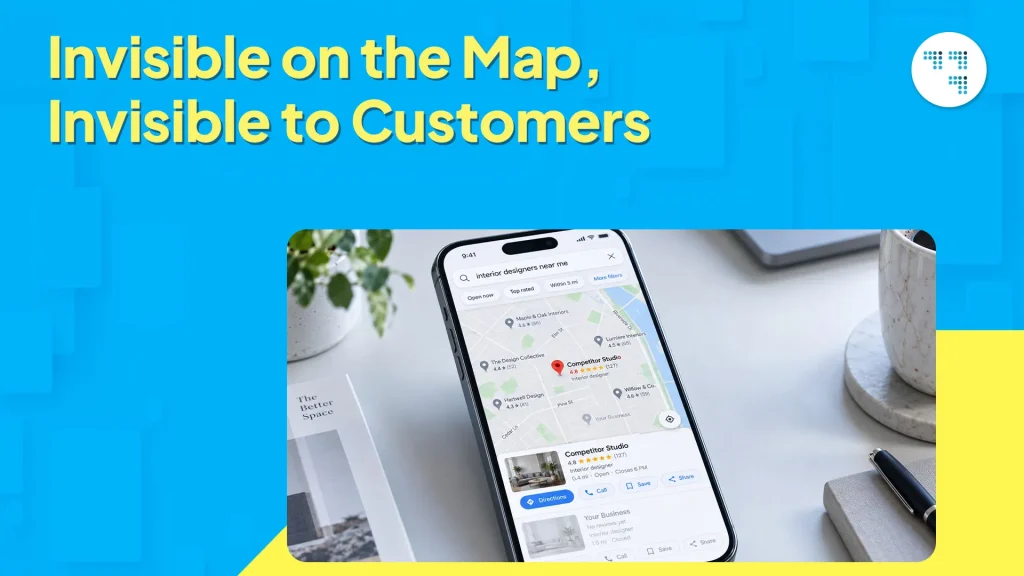
Introduction Why doesn’t your business show up when someone two streets away searches for exactly what you sell? Why does a competitor with a worse product still sit at number one on Google Maps? And if you set up your Google Business Profile months ago, why is no one finding you? If any of that sounds familiar, you’re running into one of the most common local visibility problems out there. And you’re not alone — plenty of businesses struggle to show up on Google Maps, even good ones. Most of the time it comes down to a handful of small gaps: your profile, the signals you’re sending Google, and how consistent you are with both. Let’s break down what’s actually going on. Your Profile Might Be Incomplete, Not Invisible Here’s something most business owners don’t realize: Google doesn’t hide your listing for no reason. It just won’t rank one that’s unfinished. If your Google Business Profile (GBP) isn’t showing up in local search, the culprit is usually something simple — missing hours, no photos, a half-written description, or a category that doesn’t quite match what you actually do. Google ranks the profiles it trusts the most, and an incomplete one gives it nothing to trust. So fill in every section — hours, service area, attributes, photos, all of it. Not exactly exciting work, but it’s low effort for a pretty quick payoff. Inconsistent Business Information Confuses Google Your business name, address, and phone number should match everywhere — your website, your GBP, your social pages, even that old directory listing you forgot you set up. “When the details don’t match, Google’s left guessing which one’s accurate.” This uncertainty is a quiet but real reason why you’re not showing up the way you should on Google Maps. A lost suite number here, an old phone number there — these little mismatches add up faster than you realize. Run a quick audit: Google your business name and click on every listing that comes up. Wherever the details don’t match, correct them. Incorrect or Weak Category Selection Your primary category tells Google exactly what types of searches you should show up for. Choose something too broad, or something that doesn’t quite fit, and you’ll miss out on searches you really want to rank for. Take a bakery listed under “Restaurants” — it’s now competing in a huge, mostly irrelevant pool. List it under “Bakery” instead, and it’s competing exactly where it should be. This one setting impacts your Google Maps ranking more than most people realize. Go back and check your primary and secondary categories every few months. What you offer is probably not the same as what it was when you first set up the profile. Reviews Matter More Than You Think A profile with three reviews and a profile with three hundred reviews are not competing on the same level — even if both are fully loaded. Reviews obviously build trust among customers. But they also signal relevance to Google. Businesses with steady, recent reviews appear more often in map results. So if your Google Business Profile’s visibility has dropped recently, the first thing to check is when your last review actually came in. Ask happy customers directly. No generic link buried at the bottom of an email — a genuine, timely ask right after a good interaction works far better. An Inactive Profile Looks Like a Closed Business An untouched profile sends a signal to Google, whether you want it to or not. Photos that haven’t been updated in a year, no posts, no recent Q&A — it all reads like a business that probably isn’t even open anymore. Posting updates, adding fresh photos, and responding to reviews keeps your profile active in Google’s eyes. This isn’t a one-time setup task — it’s an ongoing part of showing up well on Google Maps. What a Strong GBP Profile Really Looks Like We worked with a small physiotherapy clinic that had a decent profile, but it wasn’t showing up nearby for the services they actually offered. The problem wasn’t the business itself — it was how the profile was set up. So we rebuilt it from the ground up: the right primary category, a specific list of services, weekly photo updates, and a review request built into their post-appointment routine. Within a few months, their visibility in the map pack for their core service area improved noticeably, and Maps became a genuine, trackable source of new patient bookings. [Swap in the real before/after numbers here if you have them — a specific stat will land harder than “improved noticeably.”] Nothing fancy happened. No tricks, no shortcuts. Just a profile that was complete, active, and accurate — exactly the kind of thing Google wants to put in front of people. Where to Start Today Don’t try to fix everything at once — start here: Claim and verify your profile if you haven’t already Fill in every section, especially hours, category, and services Match your business name, address, and phone number across every platform Ask for a handful of new reviews this month Add fresh photos and post an update “A little effort consistently beats one big push you make once and then forget.” Conclusion Not appearing on Google Maps is usually not the mystery it seems. Most of the time, it comes down to an incomplete profile, mismatched information, the wrong category, thin reviews, or inconsistent listings. Getting these basics right is what turns a Maps search into an actual customer. None of this is permanent — each one can be fixed, often within a few weeks, if you tackle them one at a time. Treat your Google Business Profile the same way you’d treat your storefront: tidy, accurate, and worth walking into. At RDS Digital, we bring together creativity, strategy, and technology to help brands grow on every digital platform. From SEO to paid campaigns to brand strategy, our approach is tailored, not templated — because every business deserves a
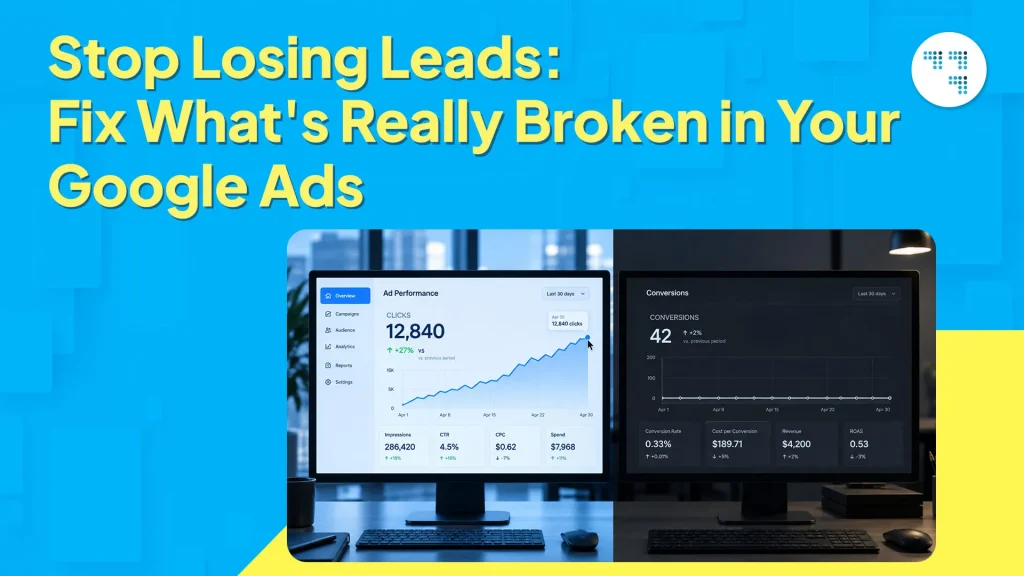
Google Ads Not Converting? 12 Reasons Your Campaigns Are Burning Budget (And How to Fix Them)
Introduction You are getting clicks. A lot of them, probably. But sales aren’t showing up, and you’re left wondering if Google Ads even works for a business like yours. The thing is, this happens more often than you’d think. We’ve seen this exact situation with dozens of customers, and it’s almost never the platform’s fault. Two businesses can spend the same budget and get vastly different results. Conversion rates that looked good in March may be quietly falling by June with nothing obviously different on your part. Google Ads not converting is one of the most common complaints we hear from business owners walking in our doors. Usually the solution is not dramatic — it’s a few small, specific things going wrong together. Let’s break them down. Clicks Are Not the Same as Customers A high click-through rate can easily hide a low Google Ads conversion rate, and that gap catches a lot of advertisers off guard. A click simply means someone was curious enough to tap. Whether that turns into money in your account depends on much more than curiosity — does your offer match their expectations, does the page they land on hold their attention, is the person clicking even someone who’s likely to buy from you? Traffic without sales usually means there’s a break somewhere in that chain. This is the root of most Google Ads conversion problems, and honestly, it’s rarely caused by ad copy alone. People like to blame the headline. The headline is usually fine. 1. You’re Targeting the Wrong Keywords A broad match without a good negative keyword list attracts traffic that was never going to convert — people looking for something related to what you sell, not what you actually sell. We’ve cleaned out accounts where half the spend was going to searches that had nothing to do with the client’s business. Tightening match types and updating your negative keyword list weekly stops this kind of wasted spend before it starts. 2. Your Landing Page Doesn’t Match Your Ad Promise a “free consultation” in an ad, then send people to a page that opens with pricing? Before they scroll even an inch, you’ve lost them. Seems like an obvious mistake to avoid. In practice, it’s surprisingly common. 3. Slow Page Load Speed Every additional second of load time costs you conversions, full stop. Mobile users bounce before the page even loads, and Google’s own research backs this up — the likelihood of a bounce rises sharply as load time crosses the three-second mark. If you haven’t run speed tests on your landing pages in the last few months, it’s worth doing today, not next week. 4. No Clear Call to Action Five links, a chatbot, a newsletter popup, and a “Buy Now” button all fighting for attention on one page — that’s not a landing page, that’s clutter. Simply put, a single, clear CTA outperforms a page trying to do five things at once. 5. Poor Quality Score Is Increasing Your Costs Quality Score isn’t just a number Google shows you to make you feel important — it has a direct impact on your cost per click. A weak score means poor placement at a high price, and it’s one of the culprits behind low Google Ads conversion rates that almost no one thinks to check. 6. Wrong Campaign Objective Set the campaign to “Traffic” or “Awareness” when you really want sales, and you’ve told Google’s algorithm to pursue the wrong goal on your behalf. Seems like a minor setting. It’s actually one of the most common issues we catch in audits. 7. Ignoring Device and Location Performance A campaign that converts well on desktop in Bengaluru may not do well on mobile elsewhere. If you’re not looking at performance by device and location, you’re blending your wins with your losses instead of finding out what’s actually working and putting more budget behind it. 8. Weak or Generic Ad Copy “Best services in town” doesn’t tell the searcher anything about you. Copy that names a real problem and addresses it directly beats generic claims almost every time. This is basic Google Ads optimization, but it’s the part people skip because writing specific copy takes more thought than writing vague copy. 9. Conversion Tracking Isn’t Set Up Properly Without accurate tracking, you’re left guessing. Which keywords drove sales? Which ad version deserves more budget? If tracking is broken, you can’t answer any of that honestly — and a lot of the accounts we’ve inherited had this exact problem, unnoticed for months. 10. Retargeting Is Missing From the Funnel Most people don’t buy on the first visit. Skip retargeting and you’re letting go of warm leads who are already interested, then starting from zero every time — a slow, quiet drain on conversions you’re already paying for. 11. Budget Is Spread Too Thin Across Campaigns Ten campaigns with small budgets almost always lose to three or four properly funded ones. Algorithms need enough data flowing through a campaign to learn what’s working, and a thin budget doesn’t give them enough to learn from. 12. No Testing or Iteration Launch it and forget it — that doesn’t work, not in paid media, never really. Headlines, images, audiences, bid strategies all need regular testing. Leave it, and performance plateaus, then slides quietly while everyone assumes nothing has changed. A Real Example: How Smart Targeting Changes Everything We once worked with a client who was running a citywide Google Ads campaign targeting “anyone interested in home interiors.” The clicks were good. Leads were almost negligible. The fix wasn’t a bigger budget — it was narrower targeting. We rebuilt the account around a specific buyer: homeowners actively searching for renovation quotes, not people casually browsing interior inspiration. Ad copy changed to match. The landing page changed to match. Even the keyword list was narrowed down to terms that actually indicated intent to buy, not just casual interest. This is the real lesson: it’s not about budget, and
Marketing Strategy of Blinkit Explained: How Blinkit Became a Quick Commerce Giant
Marketing Strategy of Blinkit Have you ever wondered how Blinkit delivers groceries in just minutes? Why do so many urban users prefer Blinkit over traditional shopping methods? What makes Blinkit one of the fastest-growing quick commerce brands in India? The answer lies in the powerful Marketing Strategy of Blinkit. Blinkit understands customer behavior, urban lifestyles, and the need for convenience better than most brands. From smart technology to strong delivery systems, Blinkit focuses on speed, simplicity, and customer satisfaction. Today, the Marketing Strategy of Blinkit stands as one of the best examples of modern digital marketing success. Through innovative branding, hyperlocal targeting, and customer-focused campaigns, Blinkit continues to lead the quick commerce market. Understanding the Marketing Strategy of Blinkit The Marketing Strategy of Blinkit focuses on one core promise: fast delivery with convenience. Blinkit positions itself as a time-saving solution for busy urban customers. The company uses customer data, local demand analysis, and digital technology to improve user experiences. This strong blinkit marketing strategy helps the brand stay ahead in the competitive delivery market. Key goals include: Fast order delivery Easy app experience Strong customer retention Local inventory optimization Brand trust building The success of the Marketing Strategy of Blinkit comes from understanding what modern users truly need. Blinkit Marketing Strategy Focuses on Convenience The biggest strength of the blinkit marketing strategy is convenience. Blinkit solves daily shopping problems for customers who want groceries delivered quickly. Urban users prefer saving time instead of visiting crowded stores. Blinkit turns this need into a business advantage through efficient delivery systems and mobile-friendly experiences. The blinkit marketing strategy also focuses heavily on customer behavior. Blinkit tracks shopping habits, peak order times, and local buying trends to improve services continuously. This customer-first approach supports strong brand loyalty and repeat orders. Quick Commerce Growth Changed Consumer Habits The rise of quick commerce growth has transformed online shopping behavior completely. Customers now expect instant delivery instead of waiting for days. Blinkit became one of the strongest players during this shift. The company invested heavily in dark stores, delivery networks, and logistics technology to support fast operations. Strong quick commerce growth depends on: Fast inventory management Real-time order tracking Efficient local warehouses Quick delivery partners Smart app technology The Marketing Strategy of Blinkit uses all these elements effectively to create seamless customer experiences. As quick commerce growth increases, Blinkit continues expanding its market presence in major cities. Blinkit Branding Creates Strong Recall Value Successful brands create emotional connections with customers. Strong blinkit branding helps the company stay memorable and trusted. Blinkit uses: Bright visual identity Simple app design Friendly communication Fast service promises Humorous marketing campaigns The company’s rebranding from Grofers to Blinkit also helped strengthen its quick delivery positioning. Modern blinkit branding focuses on speed, reliability, and convenience. These qualities connect strongly with urban users who value time-saving services. Effective blinkit branding also creates trust, which plays a major role in customer retention. Hyperlocal Marketing Helps Blinkit Scale Faster One of the smartest parts of the Marketing Strategy of Blinkit is hyperlocal marketing. Blinkit studies local neighborhoods carefully. The company identifies customer preferences, buying patterns, and regional demand to optimize inventory and delivery systems. Strong hyperlocal marketing allows Blinkit to: Deliver faster Reduce operational costs Improve customer satisfaction Personalize product recommendations For example, Blinkit may stock different products based on local preferences in different cities or neighborhoods. This smart use of hyperlocal marketing helps Blinkit maintain efficiency while scaling operations rapidly. Modern businesses can learn a lot from Blinkit’s localized approach. Delivery Apps Strategy Behind Blinkit’s Success The success of Blinkit also comes from a powerful delivery apps strategy. The app experience remains smooth, simple, and fast. A good delivery apps strategy includes: User-friendly navigation Fast checkout systems Live order tracking Personalized offers Push notifications Blinkit uses app notifications strategically to increase repeat purchases and improve engagement. The company’s delivery apps strategy also encourages impulse buying by promoting discounts and limited-time offers. By combining technology with convenience, Blinkit creates a highly engaging shopping experience. Digital Marketing Channels Used by Blinkit The Marketing Strategy of Blinkit relies heavily on digital marketing channels to attract and retain users. Popular channels include: Social Media Marketing Blinkit creates humorous and relatable content on platforms like Instagram (Social media) and Twitter. Influencer Marketing Collaborations with creators help Blinkit connect with younger audiences. App Notifications Push notifications remind users about offers and encourage repeat orders. Performance Marketing Paid ads target users searching for quick grocery delivery solutions. Referral Campaigns Referral programs help Blinkit acquire new customers through word-of-mouth marketing. This combination strengthens the overall blinkit marketing strategy. Why Urban Customers Love Blinkit Urban customers value speed, convenience, and flexibility. The Marketing Strategy of Blinkit addresses all these needs effectively. Blinkit saves time for working professionals, students, and busy families. Customers can order groceries, snacks, or essentials within minutes. Strong blinkit branding also creates a modern and trustworthy image that appeals to younger audiences. As urban lifestyles become busier, Blinkit continues benefiting from increasing demand for instant delivery services. What Businesses Can Learn from Blinkit The Marketing Strategy of Blinkit teaches businesses several valuable lessons: Understand customer pain points Focus on convenience Use data-driven marketing Invest in technology Build strong local operations Create memorable branding Brands that adapt quickly to customer needs often achieve faster growth. The combination of quick commerce growth, hyperlocal marketing, and smart branding helped Blinkit become an industry leader. Conclusion The Marketing Strategy of Blinkit proves that convenience, speed, and customer understanding can drive massive business success. Blinkit transformed everyday shopping by making fast delivery simple and reliable. From strong blinkit branding to advanced delivery apps strategy, every marketing effort focuses on improving customer experience. Blinkit also uses smart hyperlocal marketing techniques to strengthen local operations and build customer trust. As quick commerce growth continues rising, Blinkit remains one of the strongest examples of digital innovation in India. Businesses that focus on customer needs, technology, and brand experience can learn valuable lessons from Blinkit’s journey. At RDS Digital,