Categories
We don’t just follow successful brands; we analyze what makes people emotionally attached to them. The Nike marketing strategy is a masterclass in how brands can go beyond selling products to shaping mindsets. At the core of the marketing strategy of Nike lies a deep understanding of human motivation, ambition, and identity.
We believe Nike’s success isn’t driven by advertising budgets alone. Through a strong emotional branding strategy, consistent brand loyalty marketing, and a long-term customer loyalty strategy, Nike has positioned itself as a symbol of perseverance and self-belief. In this in-depth analysis, we explore how the marketing strategy of Nike builds emotional connections that translate into lifelong loyalty.
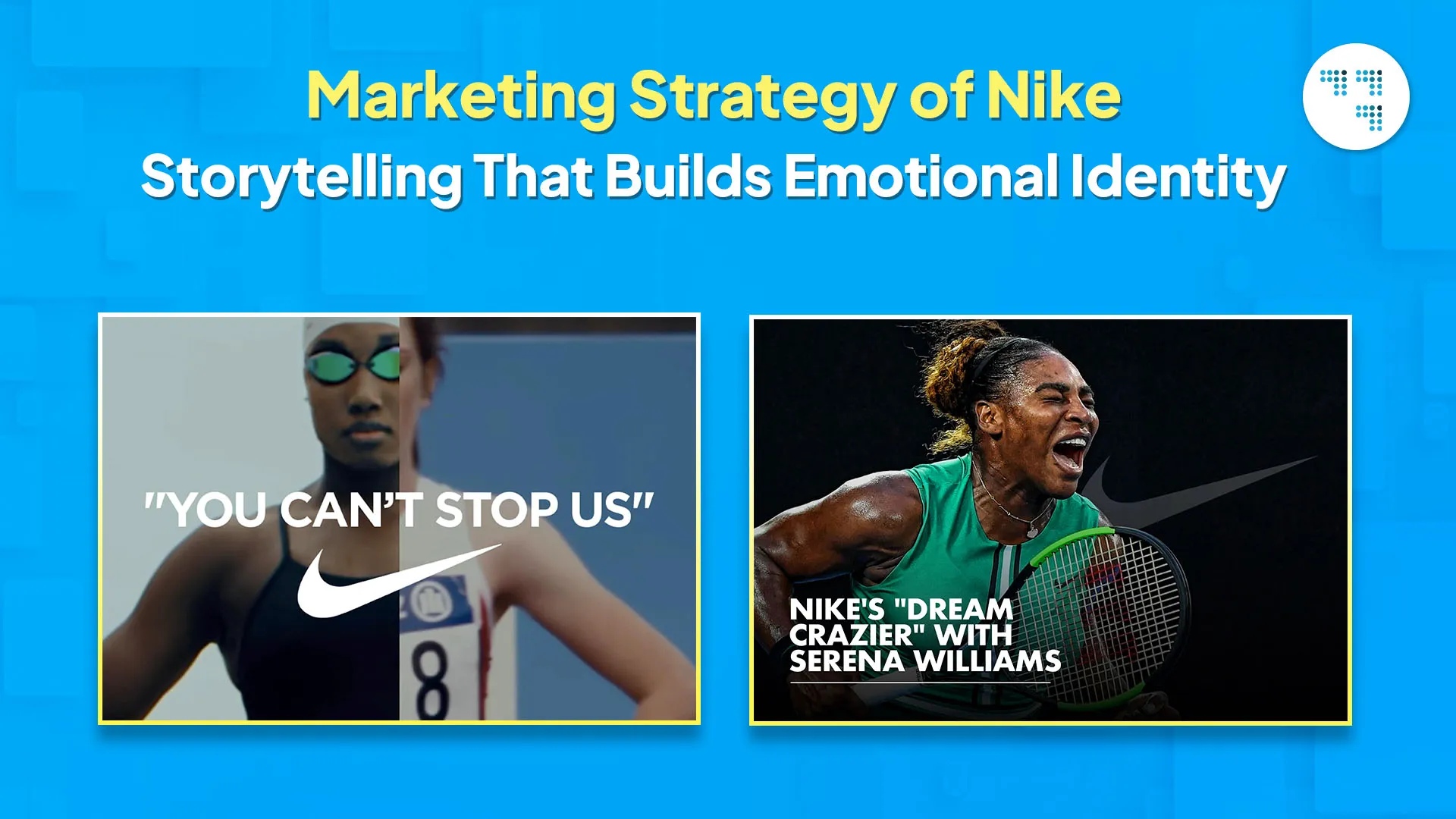
Storytelling is the heartbeat of the marketing strategy of Nike. Every campaign is designed to make people feel before they act.
The marketing strategy of Nike prioritizes stories of struggle, discipline, and triumph. By showcasing real journeys—whether elite athletes or everyday individuals—Nike ensures its message feels authentic and relatable.
Nike rarely overwhelms audiences with product features. Instead, the marketing strategy of Nike positions its products as tools for becoming stronger, faster, and more confident. Customers buy into a belief system, not just footwear.
This iconic slogan defines emotional marketing Nike is famous for. It motivates action across sports, careers, and personal challenges, embedding Nike into everyday decision-making.
From television ads to Instagram reels, the marketing strategy of Nike maintains a consistent emotional language. This consistency reinforces trust and recognition across platforms.
Nike takes a clear stand on social and cultural issues. This courage strengthens emotional loyalty and reinforces the authenticity of the marketing strategy of Nike. Storytelling transforms Nike from a brand into a belief.
A strong emotional branding strategy sits at the heart of the marketing strategy of Nike.
It focuses on building meaningful connections, not just transactions. This approach helps Nike create communities rather than one-time customers.
Nike goes beyond selling products by creating immersive digital and physical experiences.
Through apps, events, and challenges, the marketing strategy of Nike becomes interactive.
This experiential approach builds stronger emotional connections with customers.
Nike Run Club and Nike Training Club encourage shared goals and accountability.
These platforms reflect emotional marketing Nike uses to drive engagement.
They help sustain long-term relationships beyond individual purchases.
Nike makes customers feel part of a global movement and shared identity.
This sense of belonging strengthens brand loyalty marketing naturally.
Belonging transforms repeat buyers into lifelong brand advocates.
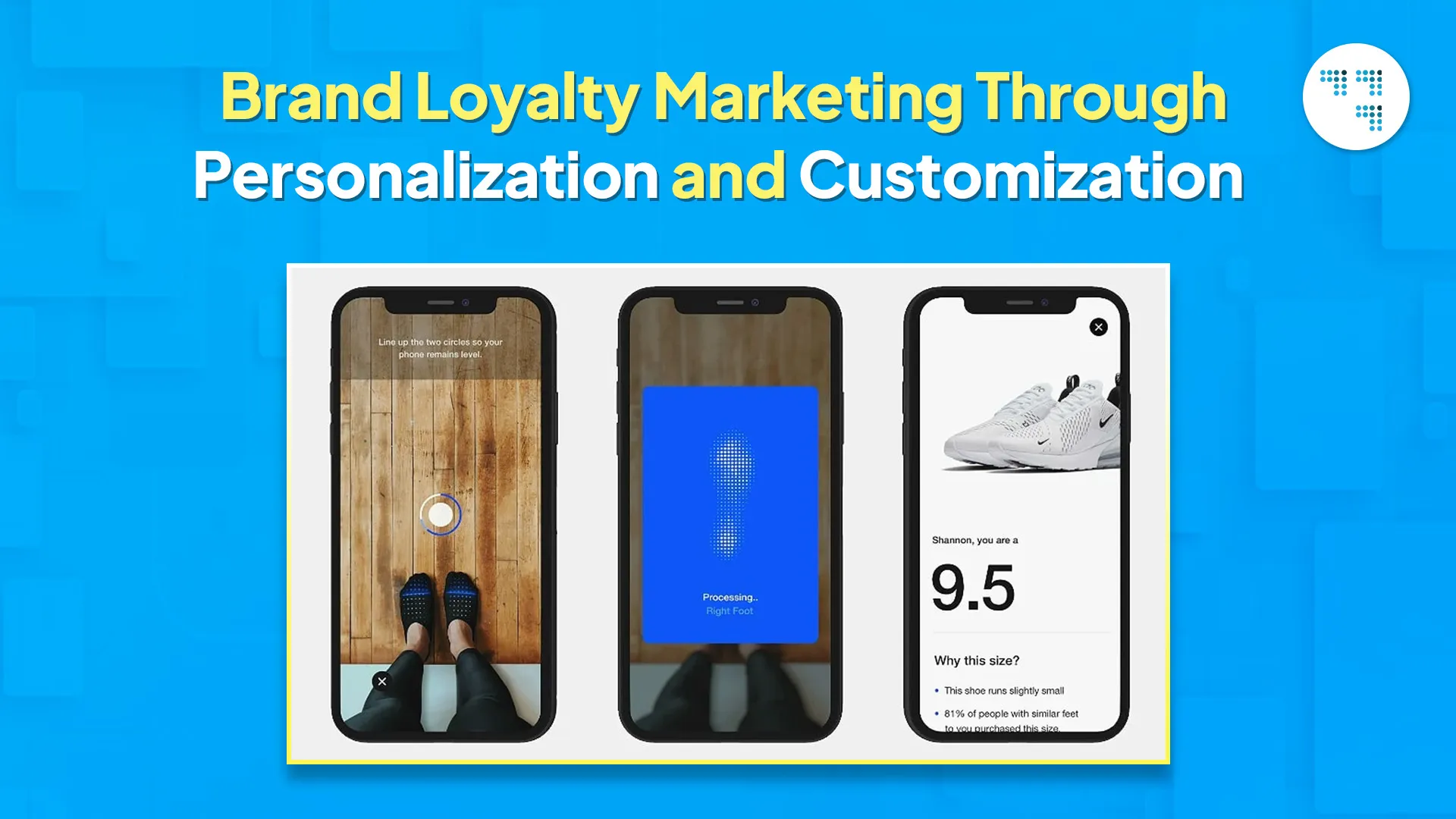
Personalization is a core element of the marketing strategy of Nike.
It ensures customers feel recognized, valued, and understood at every stage.
This approach strengthens emotional connection and long-term loyalty.
Nike uses data insights to tailor workouts, content, and product recommendations.
This makes the marketing strategy of Nike feel intuitive and relevant.
Customers experience the brand as supportive rather than automated.
Nike By You allows customers to design products that reflect their identity.
This initiative supports the Nike branding strategy through co-creation.
Customization increases emotional ownership and repeat engagement.
Nike delivers a consistent experience across apps, websites, and physical stores.
The marketing strategy of Nike maintains continuity at every touchpoint.
This consistency reinforces trust, satisfaction, and customer retention.
Purpose is not an add-on—it’s embedded into the marketing strategy of Nike.
Nike consistently champions equality, inclusion, and empowerment. These values strengthen emotional alignment and reinforce the brand’s customer loyalty strategy.
Nike communicates openly, even during controversy. This transparency supports Nike customer loyalty strategies that prioritize long-term trust.
The marketing strategy of Nike focuses on lifetime value rather than one-time sales, creating durable emotional bonds. Purpose gives Nike’s loyalty depth and resilience.
Innovation supports, rather than overshadows, the emotional core of the marketing strategy of Nike.
Innovation supports, rather than overshadows, the emotional core of the marketing strategy of Nike.
Despite adopting new technologies, the marketing strategy of Nike preserves its emotional narrative, ensuring familiarity.
Nike uses technology to motivate and support ambition, aligning innovation with its emotional branding strategy.
Innovation strengthens loyalty when it enhances human potential.
Athlete partnerships play a critical role in the marketing strategy of Nike.
Nike partners with athletes who genuinely embody its brand values. This authenticity reinforces credibility within brand loyalty marketing. Customers trust the message because it feels real, not scripted.
Nike treats athletes as storytellers, not just product endorsers. This approach supports emotional marketing Nike campaigns effectively. Stories inspire action more powerfully than traditional advertisements.
Nike features both global icons and emerging athletes. This balance helps the marketing strategy of Nike reach diverse audiences. Relatable role models make aspiration feel achievable.
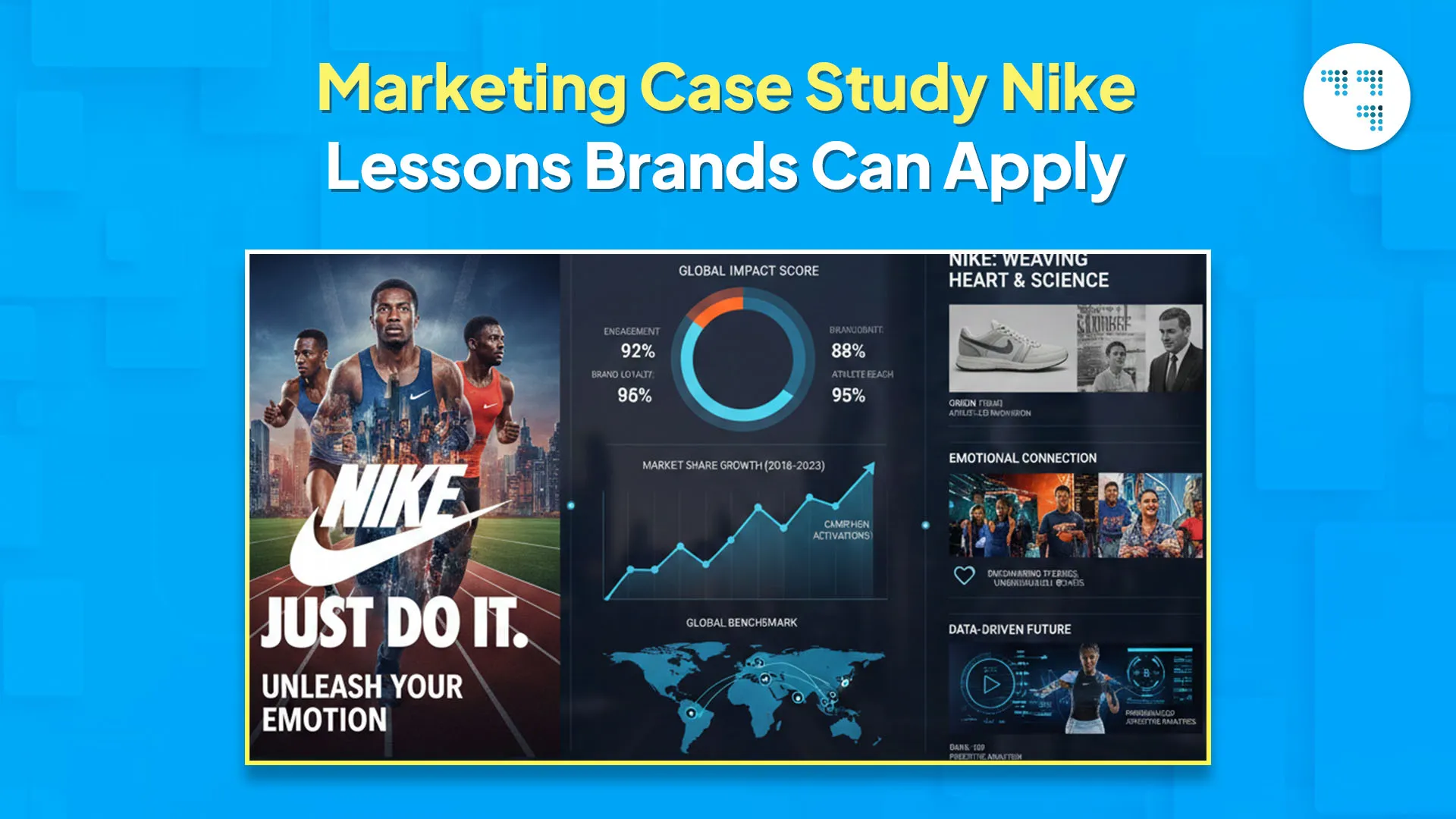
As a marketing case study, Nike offers invaluable insights for businesses of all sizes. The effectiveness of the marketing strategy of Nike lies in its balance of data, creativity, and emotion.
This marketing case study Nike highlights how Nike integrates emotional marketing Nike is known for with measurable outcomes. By combining storytelling, personalization, and community-building, Nike achieves scale without losing authenticity.
For brands seeking sustainable growth, the marketing strategy of Nike proves that emotional connection is a competitive advantage.

The marketing strategy of Nike demonstrates that loyalty is built through emotion, not persuasion. By mastering storytelling, community, personalization, and purpose, Nike has set a global benchmark for emotional branding strategy, brand loyalty marketing, and long-term customer loyalty strategy.
At RDS Digital, we follow the same philosophy. We help brands move beyond visibility to create emotional relevance. By combining data-driven insights with creative storytelling, we enable businesses to build trust, loyalty, and measurable growth—just like the marketing strategy of Nike continues to do worldwide.
Nike’s marketing strategy focuses on emotional storytelling, purpose-led messaging, and inspiration. By promoting resilience, ambition, and self-belief, Nike creates deep emotional connections that go beyond products and drive long-term customer loyalty.
Nike builds customer loyalty through consistent branding, community engagement, and personalization. Its branding reinforces identity and values, making customers feel connected to the brand emotionally, which encourages repeat purchases and long-term trust.
Nike targets a broad yet focused audience by appealing to athletes, fitness enthusiasts, and aspirational consumers. It segments audiences by lifestyle and mindset rather than age, ensuring relevance across diverse global markets.
Nike uses storytelling by highlighting real human struggles, achievements, and perseverance. Its advertising features relatable narratives that inspire action, positioning Nike as a symbol of determination rather than just a sportswear brand.
Nike’s marketing succeeds globally because it blends emotional branding, cultural relevance, innovation, and consistent messaging. This approach creates strong emotional bonds, universal appeal, and brand loyalty across different regions and audiences.

#80, 1st mainSanthrupthi
Nagar,JP Nagar 7th Phase, Bengaluru-78

© Copyright 2026, All Rights Reserved by RDS Digital
© Copyright 2024, All Rights Reserved by RDS Digital
Want to grow Your Business With Our Digital Marketing Solutions?