Categories
Have you ever wondered why Maggi feels less like a brand and more like a childhood memory?
What made Maggi noodles become an emotional comfort food in India, Africa, Southeast Asia, and even Europe? The answer lies in the powerful marketing strategy of Maggi — a perfect blend of emotional storytelling, smart positioning, innovation, and consistency.
From its 2-minute promise to nostalgic ads that touched hearts, the marketing strategy of Maggi turned a simple instant noodle packet into one of the most loved FMCG products ever created.
Let’s break it down.
Maggi’s business model is built on mass affordability, emotional familiarity, and market adaptability. Unlike traditional food brands that focus only on taste, Maggi built a model around convenience, nostalgia, and everyday value.
Maggi works on a low-cost, high-distribution model, ensuring its products remain affordable while reaching every retail shelf—from supermarkets to small kirana shops. Its scalable manufacturing and standardized ingredients allow Nestlé to maintain quality while keeping prices stable. This is also why so many food brands consult a digital marketing agency in Bangalore to build similar scalable visibility.
What makes Maggi’s business model powerful is its ability to localize flavors for different regions. While India loves Masala, other countries enjoy Curry, Chicken, Tom Yum, or Cheese variants. Maggi adapts its product line seamlessly to local cultures without losing its core identity.
From noodles to sauces, soups, and seasonings, Maggi’s business model is designed to do one thing:
Stay in the consumer’s kitchen forever.
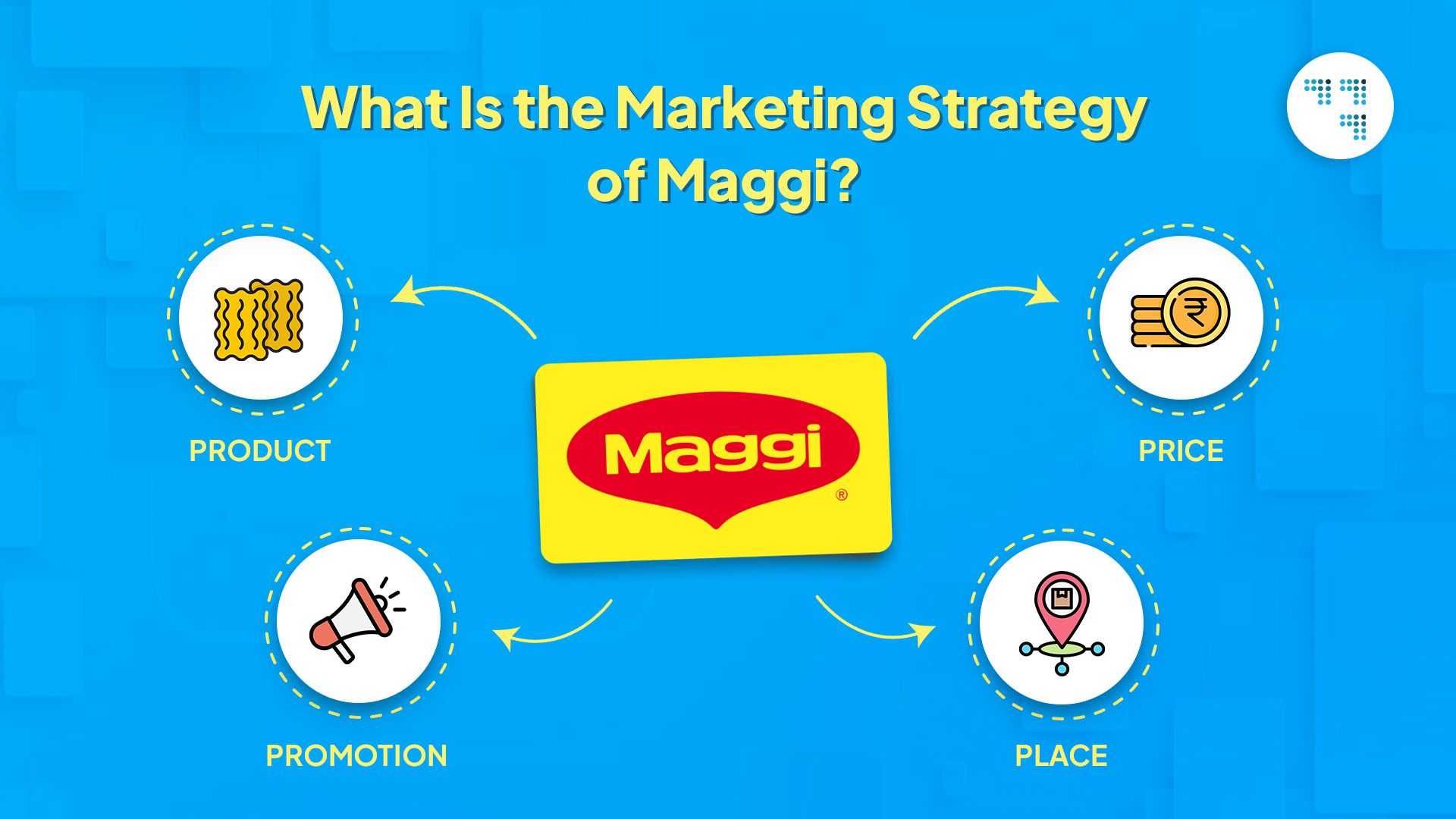
The marketing strategy of Maggi is a clever mix of emotional branding, product innovation, affordability, and brand recall. Maggi never sold just noodles — it sold moments, memories, and comfort. This is the kind of timeless brand-building many companies achieve by partnering with a digital marketing company in Bangalore.
The marketing strategy of Maggi starts with product simplicity and emotional value.
Maggi’s pricing model supports mass adoption and repeat purchase.
This smart pricing supports the overall marketing strategy of Maggi — keep consumption frequent and emotional attachment strong.

The marketing strategy of Maggi is a masterclass in emotional storytelling:
These elements perfectly support the marketing strategy of Maggi by reinforcing memory and nostalgia.
Maggi’s distribution strategy is one of the strongest in FMCG:
The marketing strategy of Maggi works because the product is always visible when hunger strikes.
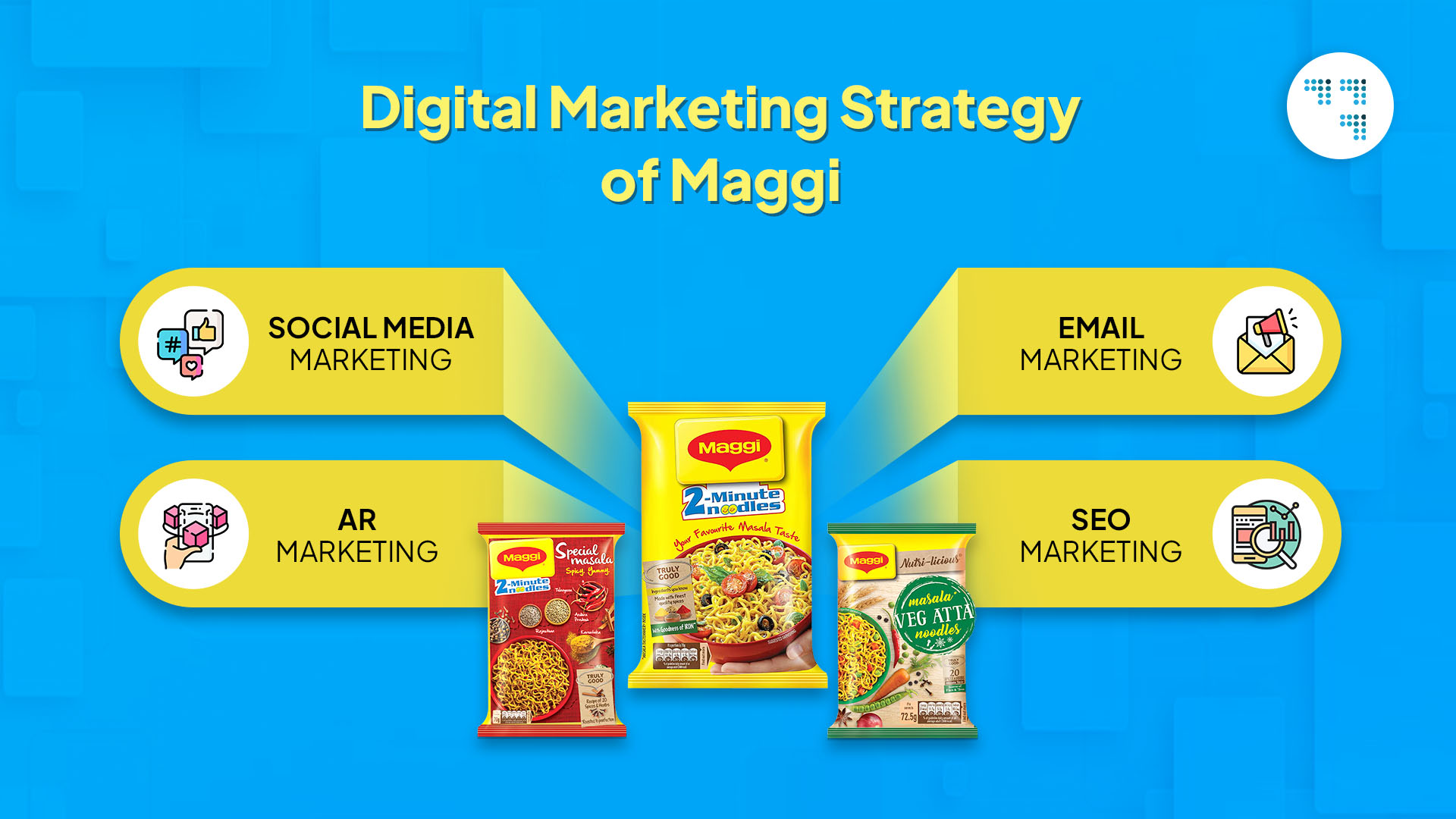
Every great marketing strategy of Maggi includes a strong emotional hook:
A consumer-story campaign that turned memories into marketing gold.
“We Miss You Too” — one of the most iconic brand recovery moments ever.
Featuring real chefs, moms, and food lovers building creative meals with Maggi.
A brilliant example of Maggi consumer engagement — thousands of fans submitted video recipes.
Here’s what we learn from this iconic brand:
Nostalgia, pricing, mass access = unbeatable formula

The marketing strategy of Maggi is more than advertising — it is emotional engineering. That’s why this brand is not merely purchased, it is felt. From nostalgia-driven promotions to smart pricing and global localization, the marketing strategy of Maggi ensures it stays relevant in every generation. Even during its biggest crisis, Maggi rebuilt trust through authenticity and emotional storytelling — something few brands ever achieve. Maggi brand positioning is now synonymous with comfort food.
Maggi product promotion feels like a family conversation. Maggi’s advertising strategy creates stories, not slogans. Marketing tactics of Maggi prove that consistency beats competition. Maggi consumer engagement is not forced — it is emotional. At RDS Digital, we help brands build strategies like this — rooted in psychology, storytelling, and digital intelligence. We don’t just market brands. We turn them into lifelong memories — just like Maggi.
Maggi’s marketing strategy combines emotional storytelling, affordable pricing, widespread distribution, and localized flavors. Its famous “2-minute noodles” promise, nostalgic campaigns, and consistent brand messaging help it connect emotionally with consumers, making Maggi a daily household essential rather than just a food product.
Maggi became popular in India by offering quick, affordable meals that fit busy lifestyles. Emotional campaigns like “Meri Maggi,” local flavor innovation, and strong availability in homes, hostels, and roadside stalls helped Maggi become a comfort food linked to childhood memories and daily life.
Maggi’s success comes from emotional branding, consistent messaging, strong retail presence, and smart product positioning. Its ability to adapt flavors for local markets, recover from crises through trust-building campaigns, and stay affordable while being available everywhere keeps it deeply connected with consumers.
Maggi uses social media to engage users with recipe content, nostalgia-driven storytelling, influencer partnerships, and user-generated campaigns like #MeriMaggi. By sharing real stories, cooking challenges, and emotional visuals, Maggi keeps its brand relatable across generations while maintaining strong digital recall.
Maggi succeeds because it sells memories, not just noodles. Its emotional positioning, consistent brand recall, affordability, and deep cultural relevance create strong loyalty. Whether through ads, social media, or everyday cooking moments, Maggi maintains emotional ownership across generations and markets.

#80, 1st mainSanthrupthi
Nagar,JP Nagar 7th Phase, Bengaluru-78

© Copyright 2026, All Rights Reserved by RDS Digital
© Copyright 2024, All Rights Reserved by RDS Digital
Want to grow Your Business With Our Digital Marketing Solutions?