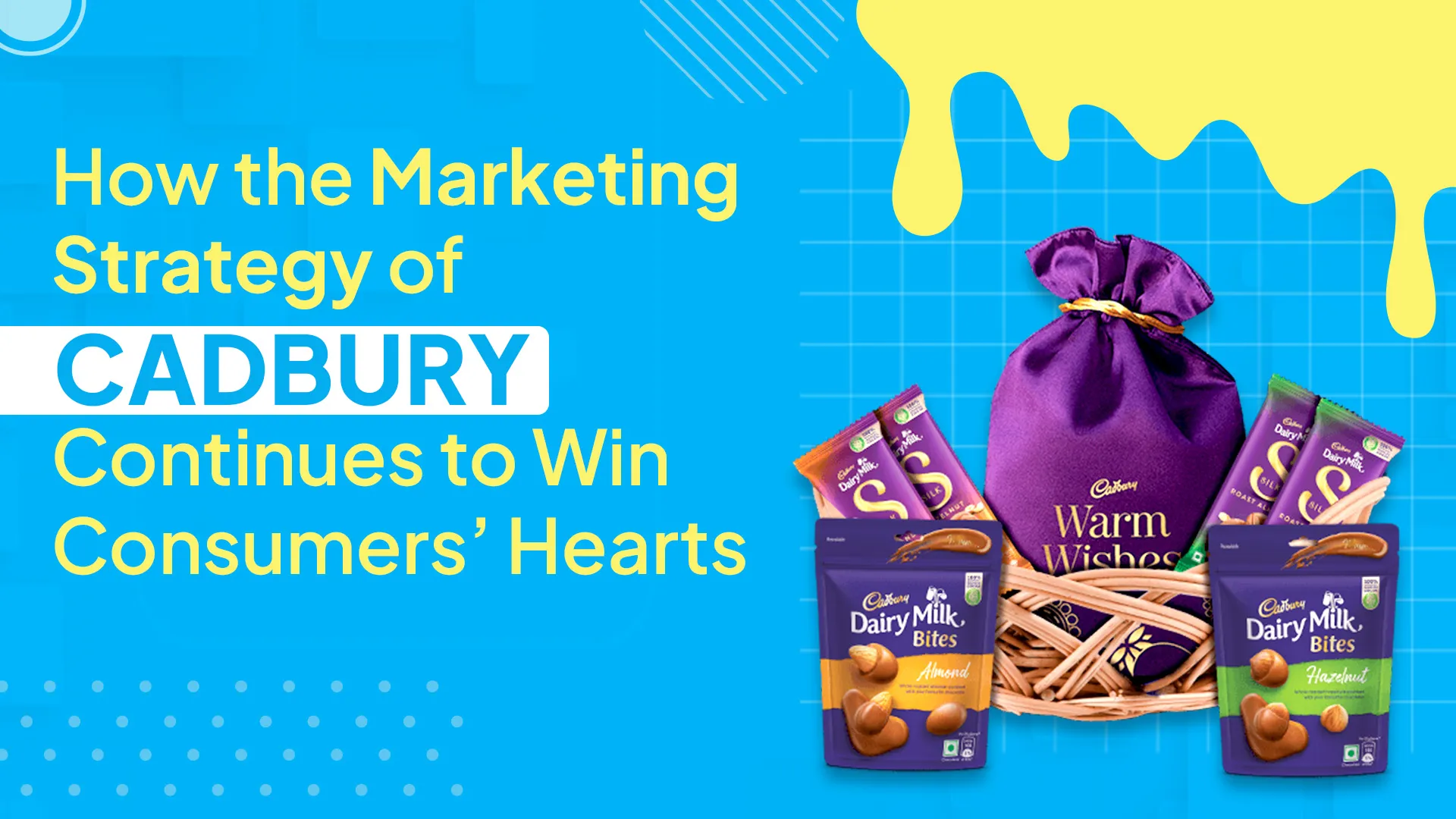
What makes Cadbury chocolates so irresistible? Why do consumers keep choosing Cadbury over other brands? The answer lies in the marketing strategy of Cadbury, which has consistently created strong emotional connections with consumers. Whether it’s through nostalgic advertising, innovative product launches, or seamless customer engagement, Cadbury has mastered the art of branding and marketing. In this blog, we’ll uncover the secrets behind the Cadbury marketing strategy that has kept the brand ahead of the competition, building strong consumer loyalty and emotional connections. Let’s take a closer look at how Cadbury continues to win hearts worldwide!
What is the Business Model of Cadbury?
The business model of Cadbury, a leading global confectionery brand, revolves around producing high-quality chocolates and sweets that cater to a broad consumer base. Cadbury’s model combines efficient manufacturing, strong distribution networks, and innovative marketing strategies to ensure that its products reach a wide audience.
The brand focuses on creating emotionally-driven marketing campaigns that align with the consumer’s desires for joy, indulgence, and comfort. Cadbury’s product range spans from everyday treats to premium offerings, catering to different tastes and occasions. The brand also emphasizes sustainability and ethical sourcing, positioning itself as a responsible company committed to making a positive impact on the world.
By continuously innovating its products, packaging, and marketing approach, the business model of Cadbury allows the brand to adapt to changing consumer preferences and market conditions, maintaining its position as a market leader in the global confectionery industry.
What is the Marketing Strategy of Cadbury?
Product
Cadbury’s product strategy is built on delivering high-quality, indulgent, and accessible chocolate products. Here’s how the brand stays ahead:
- Product Range: From milk chocolate to dark chocolate and special editions, Cadbury offers something for everyone.
- Premium Offerings: The brand’s premium lines like Dairy Milk Silk are targeted at higher-income consumers.
- Innovative Packaging: Cadbury continuously refreshes packaging to stay relevant.
- Seasonal Variants: Cadbury releases limited-edition products for festivals and special occasions.
- Quality Assurance: The brand maintains a strong focus on delivering premium quality ingredients in every product.
Price
The Cadbury pricing strategy balances affordability with premium positioning:

- Competitive Pricing: Cadbury offers products at various price points, from budget to premium.
- Value for Money: The brand emphasizes the quality-to-price ratio to attract budget-conscious consumers.
- Bundling: Offering bundle packs at discounted prices encourages bulk purchases.
- Premium Segments: Higher-priced products like Dairy Milk Silk target consumers looking for indulgence.
- Seasonal Discounts: Special discounts during holidays or sales events further engage consumers.
Promotion
The promotion strategy of Cadbury relies heavily on emotional connections and creative storytelling:
- Emotional Branding: Cadbury’s ads often focus on happiness, family, and giving, which resonate emotionally.
- Celebrity Endorsements: The brand uses celebrities to create aspirational connections.
- Engagement Through Social Media: Active and creative social media campaigns drive customer interaction.
- Promotions and Offers: Discounts, contests, and giveaways keep customers coming back.
- Sponsorships and Partnerships: Cadbury partners with events and causes to elevate its image.
Placement
Cadbury’s placement strategy ensures its products are widely accessible:
- Global Distribution: The brand has a strong presence in supermarkets, convenience stores, and online platforms.
- Premium Placement: In some markets, Cadbury positions its premium offerings in high-end stores.
- Online Presence: Cadbury’s products are available on multiple e-commerce platforms for easy access.
- Retail Partnerships: Strong ties with large retailers allow for prominent product placement.
- Innovative Shelf Placement: Eye-catching displays in stores make Cadbury products hard to miss.
Digital Marketing Strategy of Cadbury
In today’s digital world, Cadbury’s digital marketing strategy has been a key factor in maintaining its position as a beloved brand. Here’s a look at how they’ve leveraged digital channels:
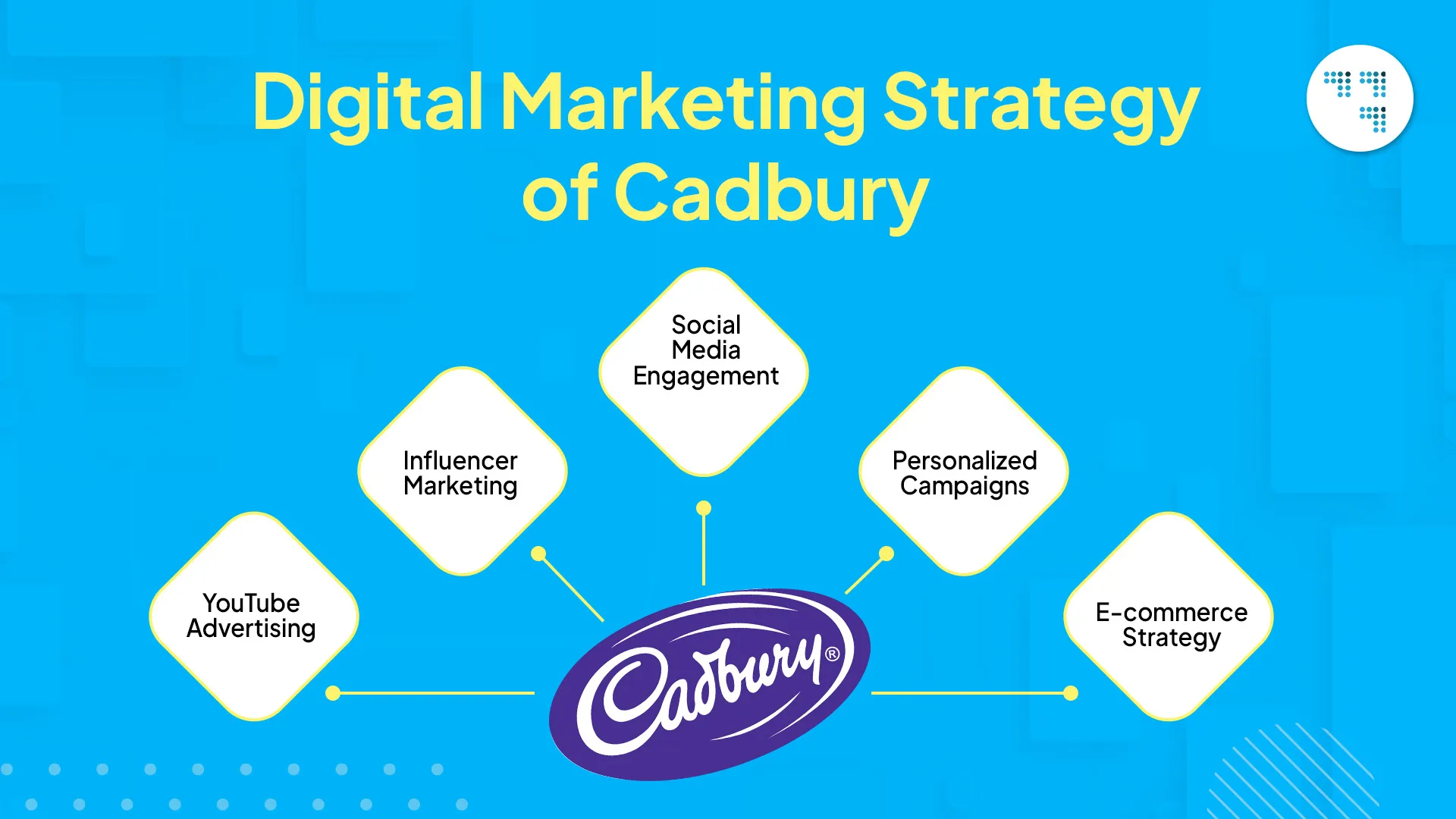
- Social Media Engagement – Cadbury has embraced platforms like Instagram, Facebook, and Twitter to connect with consumers. By creating engaging posts, contests, and interactive content, they maintain strong customer relationships. Their campaigns focus on inclusivity, joy, and creativity, leading to high engagement rates and viral content.
- Influencer Marketing – Cadbury collaborates with influencers across social media platforms, tapping into their large, engaged audiences. Through influencer partnerships, the brand spreads awareness and drives conversations around new products, events, or promotions. This also helps Cadbury maintain relevance among younger consumers.
- Personalized Campaigns – By utilizing data analytics, Cadbury delivers tailored content to customers, making their campaigns more effective. Whether it’s through email marketing or personalized ads on social media, this approach ensures that the right messages reach the right consumers at the right time.
- YouTube Advertising – Cadbury’s presence on YouTube is strong, with many of their ads going viral. They produce creative, high-quality video ads that capture the emotional essence of the brand. These videos are also used for product launches, special promotions, and partnerships, keeping consumers engaged.
- E-commerce Strategy – Cadbury’s e-commerce strategy has grown exponentially, especially in the pandemic era. The brand has optimized its online store and partnerships with major e-commerce platforms to reach customers directly. Cadbury frequently uses online discounts and promotions to drive sales and maintain brand visibility in digital spaces.
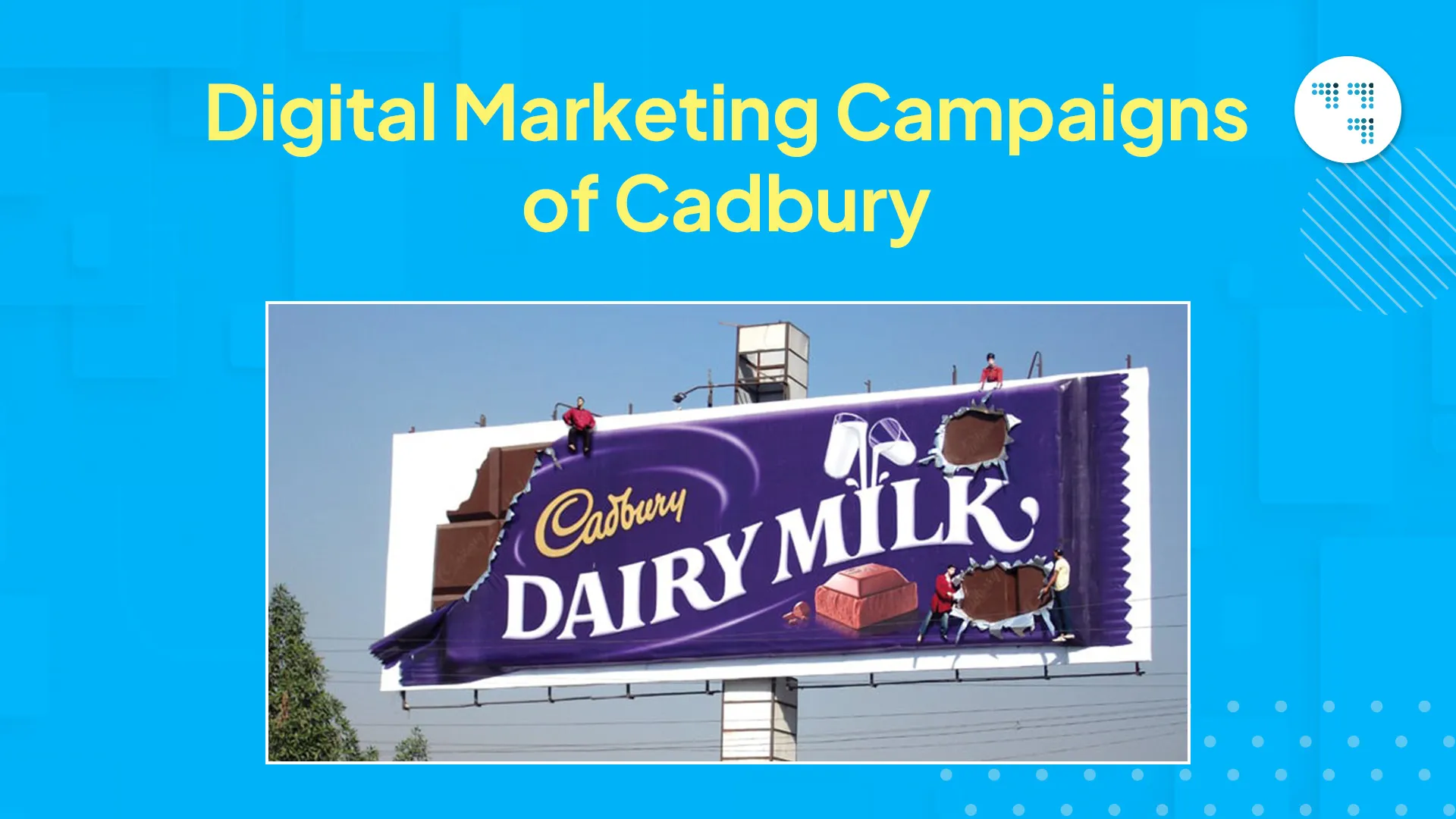
Digital Marketing Campaigns of Cadbury
- #CadburyParcels – In this campaign, Cadbury encouraged people to send chocolate parcels to loved ones, embracing the spirit of giving. The social media campaign gained significant traction with a hashtag and brought a sense of emotional connection to the brand.
- “Joyville” Campaign – Cadbury’s “Joyville” campaign aimed to create a fantastical world where happiness and chocolate were inseparable. This campaign utilized TV commercials and digital platforms, creating a powerful, feel-good connection with the audience. It was highly successful in reinforcing Cadbury’s positive brand image.
- Dairy Milk Celebrations – This campaign focused on creating special moments during holidays. Through a combination of TV spots and online content, it highlighted how gifting Cadbury chocolates can bring joy to any occasion, further strengthening the emotional connection with the brand.
- “Mum’s the Word” Campaign – Targeting Mother’s Day, Cadbury launched the “Mum’s the Word” campaign, highlighting the importance of mothers and showing gratitude through thoughtful gifting. This campaign was widely shared on social media, reinforcing Cadbury’s image as a brand that cares.
- Interactive Ads on Facebook – Cadbury developed Facebook ads with interactive features, allowing users to customize their ads, such as choosing their favorite Cadbury product. This innovative digital approach engaged consumers and allowed them to experience the brand in a fun, personalized way.
- Virtual Experiences and Games – During the pandemic, Cadbury launched virtual games and experiences to engage users online. Whether through AR or gamified elements, these campaigns helped keep consumers entertained and connected with the brand, even when they couldn’t go to stores.
Key Takeaways from the Marketing Strategy of Cadbury
- Emotional Connection: Cadbury’s marketing strategy is deeply emotional, focusing on happiness, love, and family.
- Adaptability: The brand adapts its strategies to different markets and consumer trends.
- Strong Online Presence: Digital marketing campaigns are central to maintaining relevance.
- Product Innovation: Constant innovation in products and packaging keeps the brand fresh.
- Customer-Centric: Cadbury prioritizes customer engagement, building trust and loyalty.
Conclusion
The marketing strategy of Cadbury is a brilliant blend of emotional storytelling, smart pricing, effective distribution, and impactful promotions. By embracing digital platforms, personalized content, and consistent innovation, Cadbury continues to win hearts across the globe. Their ability to connect with consumers on a deeper level has solidified their position as one of the most beloved brands in the world.
At RDS Digital, we turn dreams into reality using the best creative knowledge, innovative tools, and intelligent technology. We understand your business goals and target audience, creating multi-channel strategies that drive results. Our team brings together diverse expertise to deliver unforgettable, engaging experiences that grow your business and increase profits. Let us help you elevate your marketing strategy like Cadbury and build lasting connections with your customers.
FAQs
Cadbury’s marketing strategy focuses on emotional branding, product innovation, and strong consumer engagement. Through heartfelt campaigns, celebrity endorsements, quality products, and digital marketing, the brand connects with consumers’ emotions while ensuring accessibility through competitive pricing and wide distribution.
In India, Cadbury uses culturally resonant campaigns focused on family and celebrations. The brand leverages local celebrities, festive packaging, and season-specific products during holidays like Diwali. Digital ads, TV campaigns, and retail promotions help engage Indian consumers effectively.
Cadbury’s advertising success is due to its ability to create emotional connections. The brand focuses on happiness, family, and sharing moments, which resonate deeply with consumers. Consistent, heartwarming campaigns and creative storytelling keep the brand memorable and relatable.
Cadbury targets a broad audience, from children to adults, offering both affordable products and premium offerings. It caters to families, urban and semi-urban populations, and focuses on emotional appeal, positioning itself as a brand for all occasions and celebrations.
Cadbury employs digital marketing through social media, influencer partnerships, and targeted ads. It engages consumers via contests, personalized content, and e-commerce platforms. The brand leverages creative, interactive campaigns and uses data-driven insights to foster deeper customer connections and loyalty.