Are you curious how Nestlé stays ahead in highly competitive food and beverage markets? Do you want to uncover the secrets behind the marketing strategy of Nestle company that drives constant brand growth and consumer trust? I’ve studied their campaigns, pricing, placements, and digital presence—and seen how they consistently adapt. In this post, you’ll explore Nestlé’s business model, marketing mix, digital strategy, and branding tactics. I’ll show you the core elements of the marketing strategy of Nestle company and help you learn how to emulate its success in your business or brand.
What is the Business Model of Nestle?
Nestlé’s business model centers on diversified global food and beverage operations. They operate across categories like infant nutrition, coffee, confectionery, bottled water, dairy, and pet care. You benefit from their economies of scale, strong supply chain, and trusted brands like Nescafé, Maggi, KitKat, and Pure Life. They source locally, produce regionally, and distribute globally—balancing efficiency with consumer relevance.
This approach supports their marketing strategy of Nestle company by ensuring consistent availability and localized appeal. With heavy focus on R&D and nutrition science, Nestlé innovates products that adapt to local tastes while maintaining global quality standards. Get in touch with the best digital marketing company in Bangalore today!
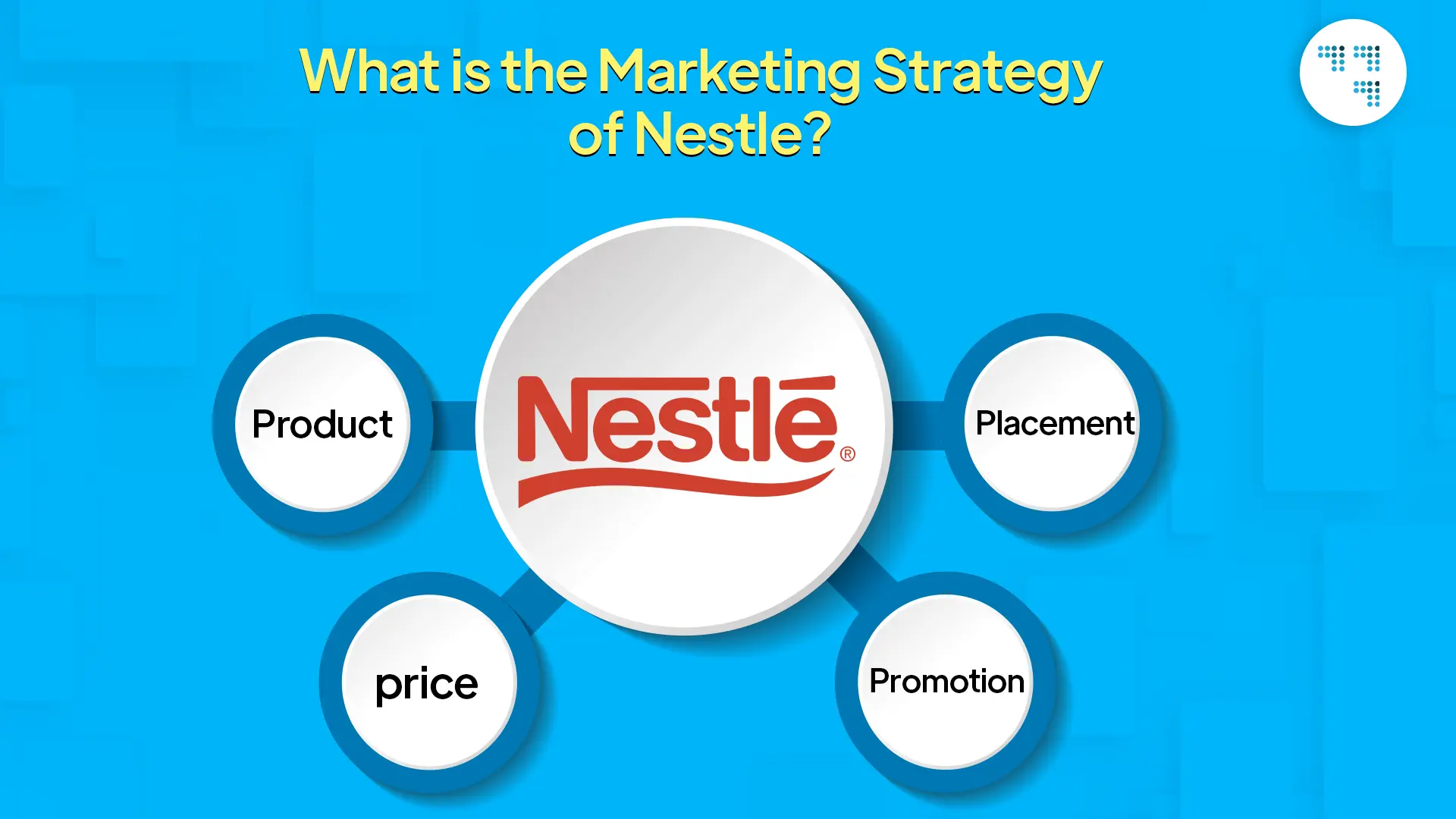
What is the Marketing Strategy of Nestle?
Product:
Nestlé’s product strategy is all about diversification and continuous innovation. You will find that Nestlé constantly introduces new products and reformulates existing ones to meet changing consumer demands, a crucial aspect of the marketing strategy of Nestlé Company.
- Vast Portfolio: Nestlé offers an incredibly diverse range, from infant nutrition to pet care, coffee, chocolates, and prepared dishes, ensuring something for everyone.
- Health and Wellness Focus: They prioritize products with reduced sugar, salt, and saturated fat, aligning with global health trends.
- Local Adaptation: Nestlé tailors products to regional tastes, such as spicier Maggi noodles in India or specific coffee blends in different countries.
- Continuous Innovation: We see significant investment in R&D to develop novel products and improve existing ones.
- Quality Assurance: A rigorous commitment to product quality and safety underpins consumer trust in every Nestlé offering.
Price:
Nestlé’s pricing strategy is flexible and market-driven, designed to maximize market share while maintaining profitability. The marketing strategy of Nestlé Company in pricing reflects its broad market appeal.

- Value-Based Pricing: They often price products based on the perceived value to the consumer, especially for premium offerings like Nespresso.
- Competitive Pricing: For mass-market products, Nestlé remains competitive, often matching or slightly undercutting rivals.
- Skimming for Innovation: New, innovative products sometimes see a higher initial price, recovering R&D costs before broader market adoption.
- Volume-Based Discounts: Nestlé frequently offers bulk purchase options or promotional deals to encourage larger sales.
- Affordability for Rural Markets: In developing regions, they introduce smaller, more affordable pack sizes to increase accessibility.
Promotion:
The promotional aspect of the marketing strategy of Nestlé Company is highly visible, leveraging a mix of traditional and digital channels to engage consumers.
- Emotional Storytelling: You will often see Nestlé campaigns that build a personal connection, focusing on moments of joy, comfort, or family.
- Catchy Slogans and Jingles: Iconic taglines like “Have a Break, Have a KitKat” are memorable and reinforce brand identity.
- Celebrity Endorsements: Nestlé frequently partners with popular figures to enhance brand credibility and appeal.
- Extensive Advertising: They utilize TV, print, out-of-home, and extensive online advertising to reach a broad audience.
- In-store Promotions and Sampling: We often encounter tasting events and special offers to drive trial and immediate sales.
Placement:
Nestlé’s placement strategy is about ensuring ubiquitous availability, making their products accessible to consumers everywhere. This extensive reach is vital to the marketing strategy of Nestlé Company.
- Global Distribution Network: Nestlé boasts an unparalleled network, reaching over 190 countries through various retail channels.
- Supermarkets and Hypermarkets: Their products are prominently displayed in major retail chains worldwide.
- Local Kirana Stores/Small Retailers: Nestlé ensures deep penetration into local markets, reaching even the smallest shops.
- E-commerce Platforms: We increasingly find Nestlé products available on leading online shopping platforms and their own brand websites.
- Foodservice Partnerships: They supply a wide range of products to hotels, restaurants, cafes, and institutional clients.
Digital Marketing Strategy of Nestlé
The Nestlé digital marketing strategy is a critical pillar of its overall success, allowing them to connect with modern consumers in highly personalized and engaging ways. It’s a dynamic approach that constantly evolves with technological advancements.
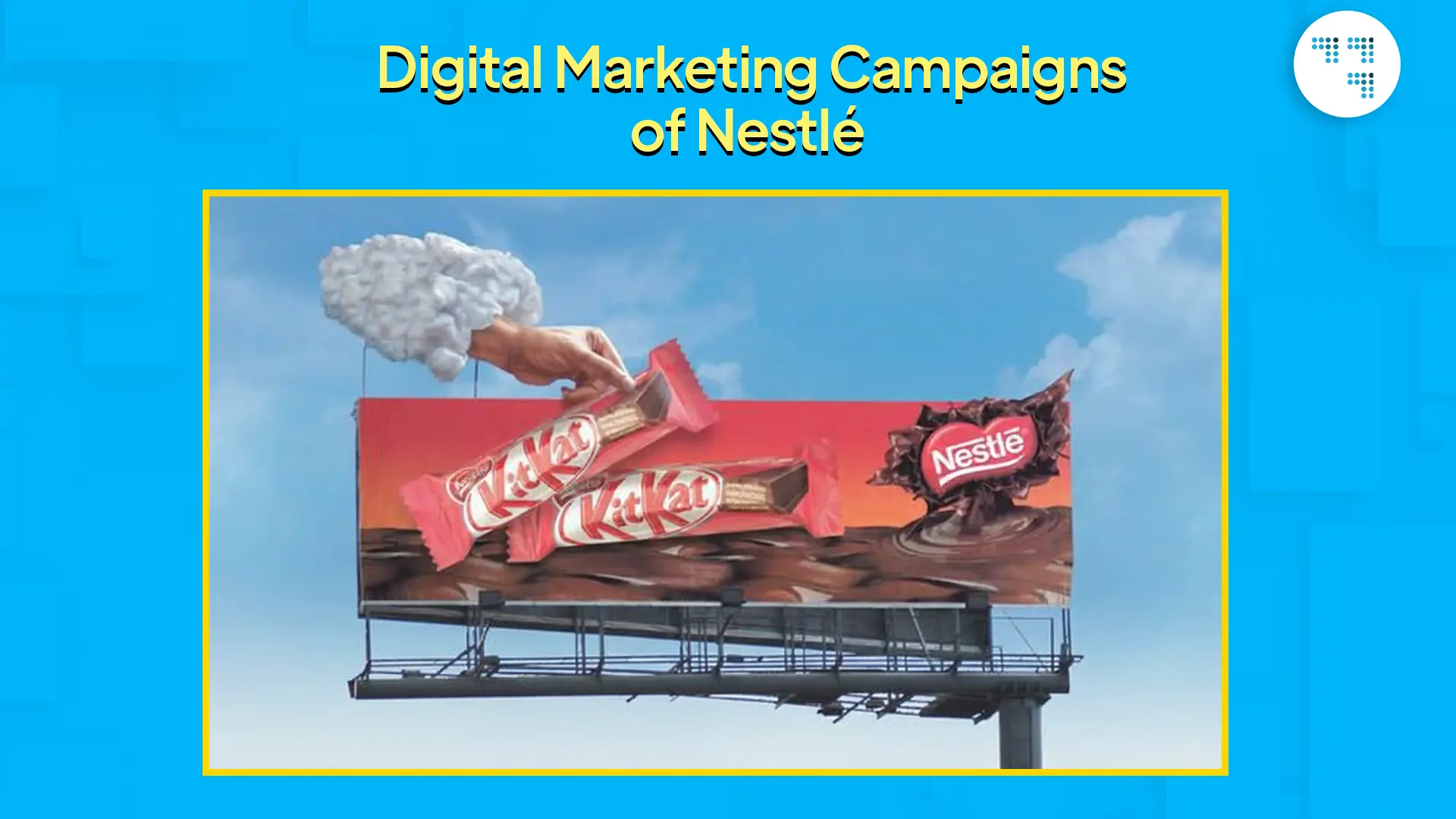
- Data-Driven Personalization: Nestlé leverages data analytics to understand consumer preferences and behavior, enabling highly targeted and personalized digital ad campaigns. They analyze online interactions to deliver relevant content and product recommendations. This focused approach maximizes the effectiveness of their marketing strategy of Nestlé Company in the digital realm.
- Robust Social Media Engagement: Nestlé actively maintains a strong presence across major social media platforms like Facebook, Instagram, and Twitter. They use these channels for brand storytelling, engaging with consumer feedback, running contests, and sharing user-generated content, fostering a sense of community around their brands. This is a key element of their marketing strategy of Nestlé Company.
- Influencer Marketing Collaborations: Recognizing the power of authentic voices, Nestlé frequently collaborates with influencers and content creators. These partnerships help them reach specific demographics and build credibility, especially for niche products or new launches, effectively amplifying their marketing strategy of Nestlé Company.
- Optimized E-commerce Presence: Beyond traditional retail, Nestlé has heavily invested in optimizing its e-commerce channels. This includes user-friendly websites, seamless online purchasing experiences, and partnerships with major online retailers, making it convenient for you to buy their products digitally.
Digital Marketing Campaigns of Nestlé
Nestlé consistently launches innovative digital marketing campaigns that capture attention and drive engagement. These campaigns often highlight specific products or brand values.
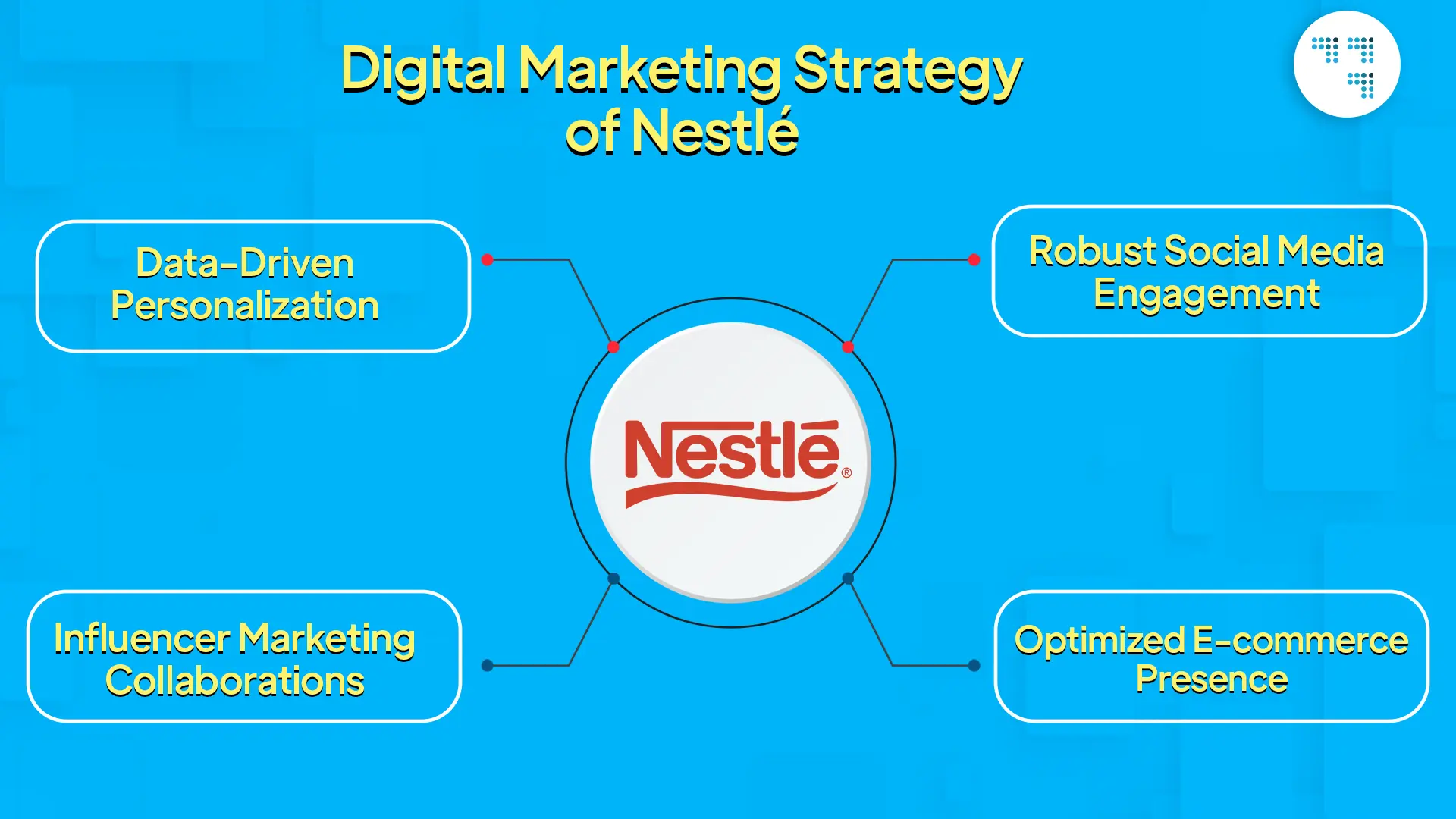
- KitKat’s “Break Better”: Building on its iconic slogan, this campaign used humor and relatable scenarios across digital platforms to encourage people to truly disconnect and enjoy a break.
- Nescafé’s “Stay Started”: You might recall campaigns that focus on the emotional connection with coffee, often featuring digital storytelling and user-generated content.
- Maggi’s “2-Minute Noodles” (Digital Reinvention): While a classic, Maggi has effectively used digital channels to share quick recipes, cooking hacks, and engaging challenges, keeping the brand relevant.
- Purina’s “For the Win” Pet Challenges: This campaign leveraged social media and influencer partnerships to encourage pet owners to engage in fun activities with their pets, promoting bonding and active lifestyles.
- Nescafé Dolce Gusto’s “Frapped – The FrappAI of Your Dreams”: This innovative campaign utilized AI technology, allowing consumers to create personalized frappé recipes by interacting with an AI chatbot, showcasing Nestlé’s embrace of cutting-edge technology in its marketing strategy of Nestlé Company.
Key Takeaways from the Marketing Strategy of Nestlé
The enduring success of Nestlé offers valuable lessons for any business. The marketing strategy of Nestlé Company provides a blueprint for global dominance.

- Diversification is Key: Maintain a broad product portfolio to cater to diverse consumer needs and mitigate risks.
- Adaptation to Local Markets: Tailor products and marketing messages to resonate with specific cultural preferences and local demands.
- Invest in R&D and Innovation: Continuous product development keeps your brand fresh and relevant in a competitive landscape.
- Strong Brand Building: Focus on building trust, quality, and an emotional connection with consumers through consistent messaging.
- Embrace Digital Transformation: Leverage data, social media, and e-commerce to engage with modern consumers and drive personalized experiences, a crucial aspect of the marketing strategy of Nestlé Company.
Conclusion
We have explored the intricate layers of Nestlé’s marketing prowess, from its foundational business model to its meticulously crafted marketing mix and cutting-edge digital initiatives. The marketing strategy of Nestlé Company is a testament to its agility, innovation, and deep understanding of consumer behavior. They have mastered the art of being globally consistent yet locally relevant, continuously evolving to meet the demands of a dynamic marketplace. The marketing strategy of Nestlé Company is a living, breathing entity, constantly adapting and innovating.
At RDS Digital, the best digital marketing agency in Bangalore, we believe in turning your dreams into reality using the best creative knowledge, innovative tools, and intelligent technology. We first meticulously understand your business goals and target audience. Then, we craft comprehensive, multi-channel strategies and advanced, powerful marketing campaigns that create a rich and engaging online experience, designed to build your business and significantly increase your profit. Our diverse team brings together ideas from various experiences to forge new paths and offer unforgettable digital experiences for your brand.
FAQs
The marketing strategy of Nestlé company focuses on customer-centricity, product innovation, and strong global branding. It uses a balanced marketing mix—product, price, promotion, and placement—to address diverse consumer needs. Nestlé also leverages digital platforms, emotional storytelling, and local adaptations to connect with customers across geographies and age groups.
Nestlé adapts by customizing its products, communication, and pricing based on local cultures, tastes, and income levels. It conducts in-depth research before entering markets, uses local ingredients when possible, and aligns its messaging with regional values. This localized approach keeps the brand globally consistent yet personally relevant.
Nestlé promotes through a mix of traditional media, digital campaigns, influencer marketing, and content creation. It runs emotional and informative ads, engages with customers on social media, and invests in CSR initiatives. Seasonal promotions, in-store branding, and health-focused messaging also help boost brand visibility and trust.
Nestlé’s marketing strategy is successful due to its focus on consumer trust, quality products, market adaptability, and strong brand equity. It continuously evolves through innovation, digital transformation, and sustainability efforts. The brand’s global consistency with local relevance keeps customers loyal and drives long-term growth.