Have you ever wondered how Amazon always knows what you want—sometimes before you even know it? Why does it dominate every market it enters, from e-commerce to streaming? If you’re a business owner or marketer, studying the marketing strategy of Amazon is like unlocking a secret playbook. In this blog, We’ll break down exactly how Amazon wins customers, drives loyalty, and keeps its brand miles ahead of the competition. Let’s dive into their tactics—and uncover what you can learn and apply to your own business.
What is the Business Model of Amazon?
Amazon’s business model is customer-centric, tech-powered, and data-driven. It combines e-commerce, cloud services (AWS), subscription models (Prime), and digital content. By selling products directly and via third-party sellers, it creates a powerful marketplace. Through vertical integration, Amazon controls shipping, fulfillment, and even devices like Echo.
This broad model is fueled by advanced algorithms, deep analytics, and a razor-sharp focus on long-term customer value. Every piece of the puzzle supports the larger goal: offering unmatched convenience, speed, and choice.
That’s why the marketing strategy of Amazon works so effectively—it aligns seamlessly with its business engine. Get in touch with the best digital marketing company in Bangalore today!
What is the Marketing Strategy of Amazon?
Amazon doesn’t market like a regular company—it uses customer behavior as a compass. From smart pricing to AI-driven recommendations, its entire system is built to convert browsers into buyers and first-time customers into lifelong fans. Let’s break it down further.

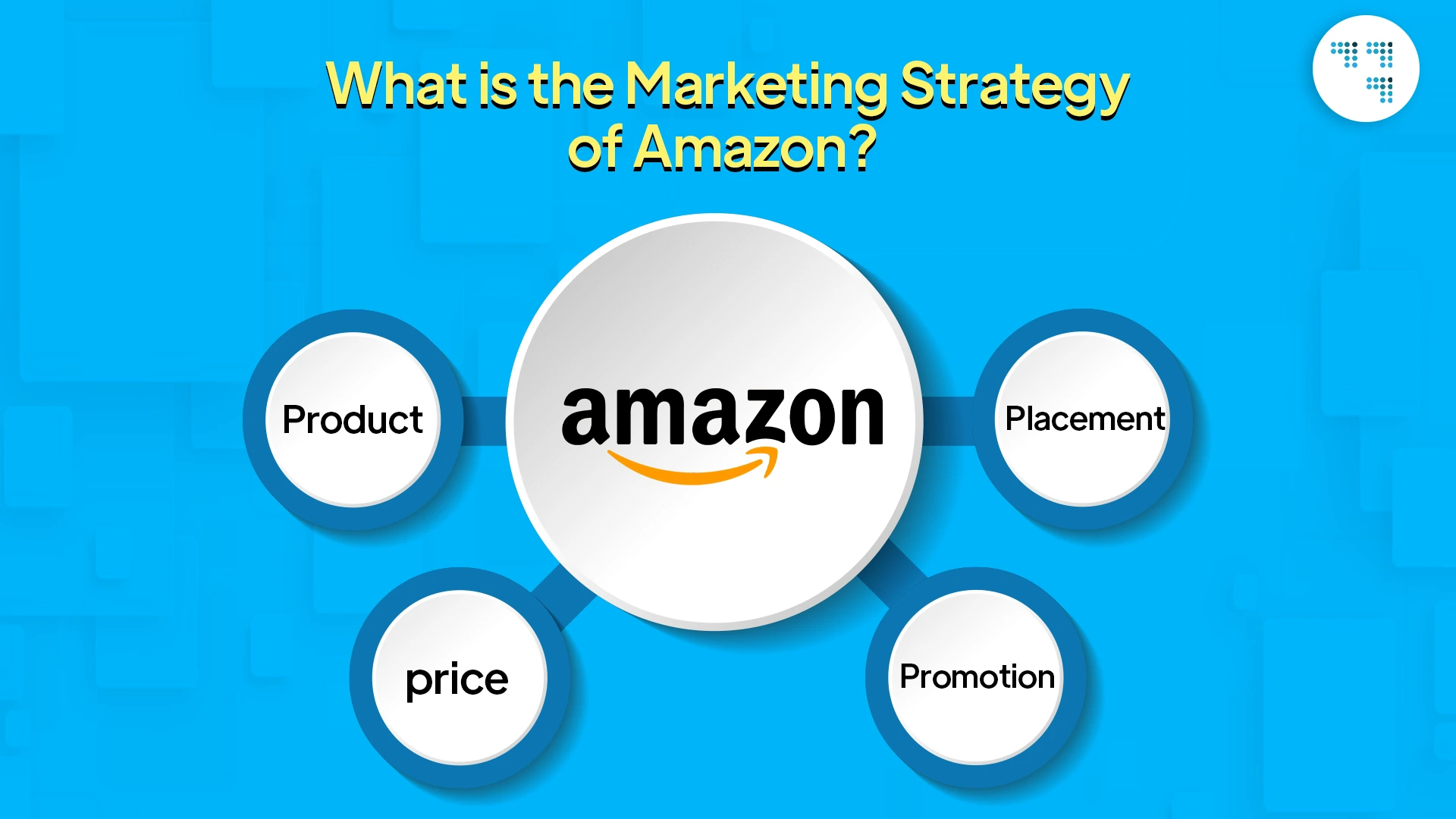
Product:
- Vast Selection: They offer millions of products, fulfilling almost any customer’s needs imaginably. This broad offering is a cornerstone of the marketing strategy of Amazon.
- Private Labels: Amazon develops its own brands, like AmazonBasics, offering high-quality alternatives at competitive prices.
- Digital Products & Services: Beyond physical goods, they provide E-readers, Fire TV sticks, Alexa devices, and streaming services (Prime Video, Amazon Music).
- Customer Reviews: They heavily emphasize user-generated content with millions of product reviews and ratings guiding consumer choices.
- Innovation in Offerings: Amazon consistently introduces new products and services, like Amazon Fresh for groceries or Amazon Pharmacy. This constant evolution is key to the marketing strategy of Amazon.
Price:
- Competitive Pricing: They use sophisticated algorithms to adjust prices in real-time, often matching or beating competitors.
- Value-Added Services: Amazon Prime, while a subscription, offers immense value through free shipping, streaming, and other benefits, influencing purchasing decisions.
- Deals and Discounts: Daily deals, Lightning Deals, and seasonal sales events (like Prime Day) create a sense of urgency and incentivize purchases.
- Bundle Offers: They frequently offer product bundles to increase average order value and provide perceived greater value.
- Transparency: While prices fluctuate, they often display price history and comparison tools, building trust with the customer. The pricing component is crucial to the marketing strategy of Amazon.
Promotion:
- Personalized Recommendations: Their powerful recommendation engine suggests products based on your Browse and purchase history, driving impulse buys. This is a core part of the Amazon digital marketing strategy.
- Email Marketing: They send highly targeted emails with product recommendations, deals and order updates, keeping customers engaged.
- Affiliate Marketing: The Amazon Associates program leverages a vast network of content creators to drive traffic and sales to their platform.
- Social Media Engagement: They maintain an active presence across social media platforms, running campaigns and engaging with customers.
- Offline Advertising: While primarily online, Amazon still uses TV commercials and other traditional media to build brand awareness and promote key services like Prime. This comprehensive approach strengthens the overall marketing strategy of Amazon.
Placement:
- Global E-commerce Platform: Their primary placement is their vast online marketplace, accessible globally via websites and mobile apps.
- Advanced Logistics Network: Amazon has invested heavily in warehouses, fulfillment centers, and delivery services, ensuring fast and reliable shipping.
- Physical Stores: While primarily online, they have ventured into physical retail with Amazon Go, Whole Foods Market, and Amazon Books, creating an omnichannel experience.
- Third-Party Sellers: They provide a platform for millions of third-party sellers, expanding their product offerings without direct inventory management.
- Strategic Partnerships: They form partnerships with various companies for delivery, payment processing, and other services to enhance convenience. The reach of the marketing strategy of Amazon is truly global.
Digital Marketing Strategy of Amazon
The digital marketing strategy is where the marketing strategy of Amazon truly pulls ahead. Their online marketing strategy is not just about ads; it’s about creating a holistic, data-driven customer journey.
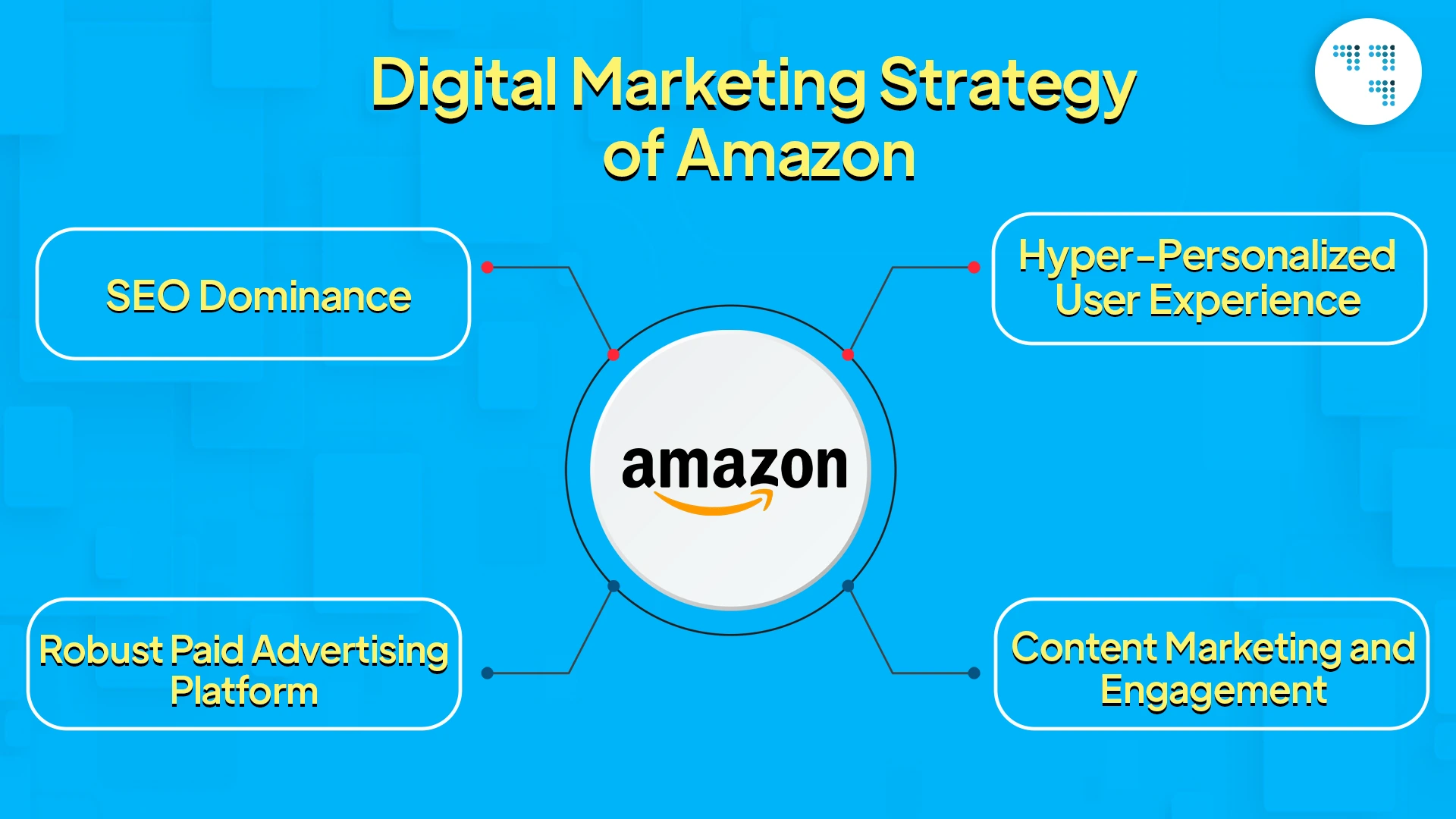
- SEO Dominance (Internal & External): Amazon optimizes its own platform (Amazon SEO) so that products rank highly within its search results. They also heavily invest in external SEO, ensuring their product pages and Amazon-owned content appear prominently on Google and other search engines. This dual approach ensures maximum visibility and is a critical part of the Amazon digital marketing strategy.
- Hyper-Personalized User Experience: Leveraging vast amounts of user data, Amazon delivers an incredibly personalized experience. Starting with recommended products on the homepage to “Customers who bought this also bought…” suggestions, their algorithms are constantly learning and adapting to your preferences, making every visit feel tailored. This personalized experience is central to their online marketing strategy.
- Robust Paid Advertising Platform (Amazon Ads): Amazon has built a formidable advertising platform within its ecosystem. Sellers and vendors use Sponsored Products, Sponsored Brands, and Sponsored Display ads to increase product visibility and drive sales directly on the platform. This also extends to programmatic advertising (Amazon DSP), allowing brands to reach Amazon’s audience across the web, further solidifying their digital marketing strategy.
- Content Marketing and Engagement: Amazon employs a strong content marketing strategy, from detailed product descriptions and A+ content to engaging video reviews and Amazon Live streams. They also foster user-generated content through reviews and Q&A sections, building trust and providing valuable information to potential buyers. This comprehensive content approach is a significant part of the marketing strategy of Amazon.
Digital Marketing Campaigns of Amazon
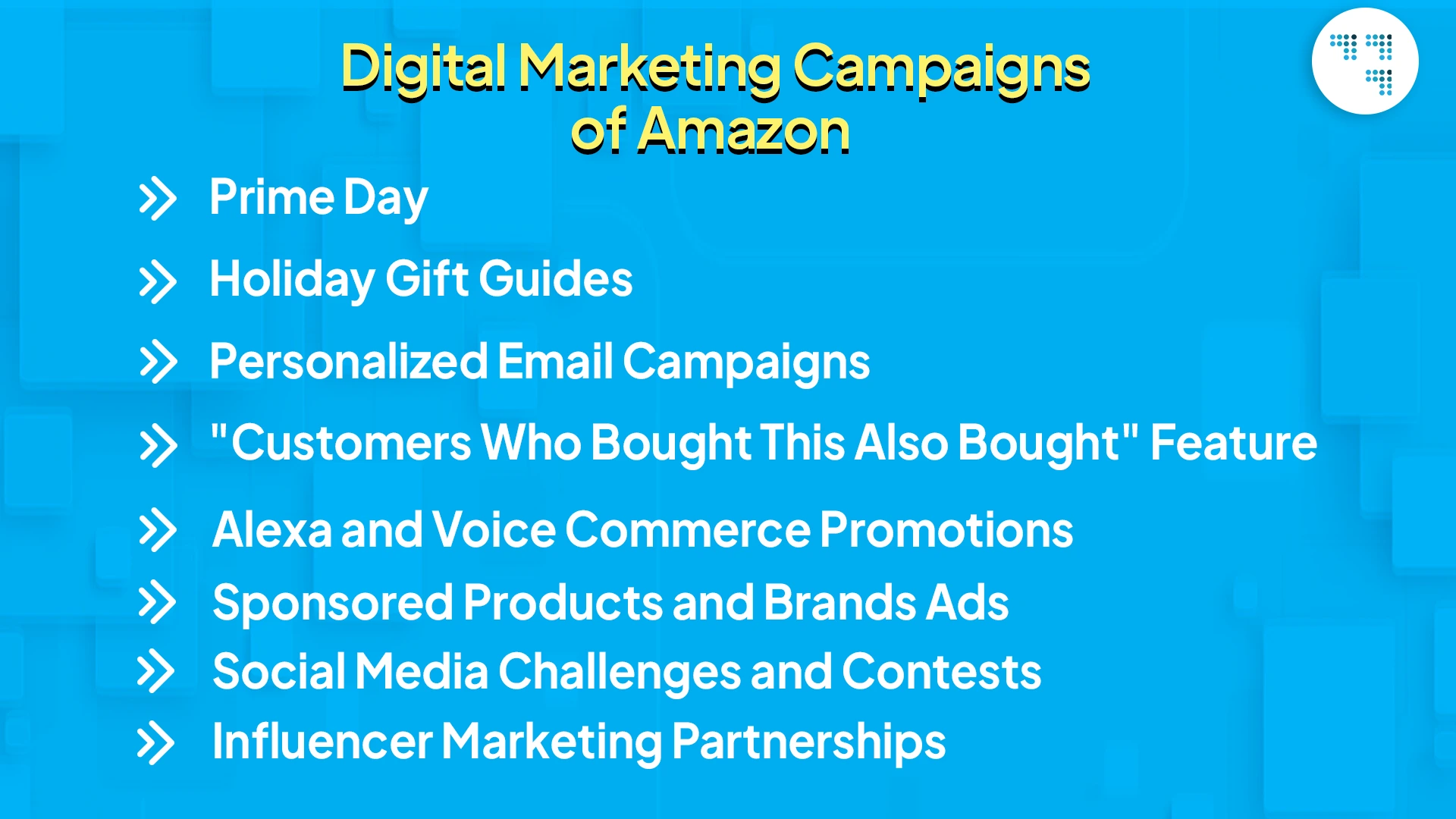
The marketing strategy of Amazon is executed through a series of highly effective digital marketing campaigns. Here are some examples that showcase the breadth of the marketing strategy of Amazon:

- Prime Day: This annual shopping event is a massive digital campaign, creating urgency and driving immense sales through exclusive deals for Prime members.
- Holiday Gift Guides: During festive seasons, Amazon curates digital gift guides across various categories, promoting products and simplifying shopping.
- Personalized Email Campaigns: They send targeted emails based on your Browser history, abandoned carts, and previous purchases, reminding you of items you might like.
- “Customers Who Bought This Also Bought” Feature: This ongoing, automated campaign leverages purchase data to cross-sell and upsell products effectively.
- Alexa and Voice Commerce Promotions: Amazon actively promotes shopping through Alexa, encouraging voice commands for reordering essentials and discovering new products.
- Sponsored Products and Brands Ads: These are direct ad campaigns run by sellers and Amazon itself, placing products prominently in search results and product pages.
- Social Media Challenges and Contests: They often run interactive campaigns on platforms like Instagram and TikTok, encouraging user-generated content and brand engagement.
- Influencer Marketing Partnerships: Amazon collaborates with influencers to showcase products and services, particularly for new launches and niche categories, leveraging their reach.
Key Takeaways from the Marketing Strategy of Amazon
- Customer Obsession is Paramount: Always prioritize your customer; understand their needs and exceed expectations. This is central to the marketing strategy of Amazon.
- Data is Your Goldmine: Utilize data to personalize experiences, optimize pricing, and guide all promotional efforts effectively. The marketing strategy of Amazon thrives on data.
- Embrace Diversification: Expand beyond your core offerings; explore new product lines, services, and diverse revenue streams constantly.
- Innovate Relentlessly: Be willing to experiment, learn quickly from failures, and continuously enhance your products and processes. Innovation defines the marketing strategy of Amazon.
- Build a Seamless Ecosystem: Connect services and platforms for a cohesive, convenient user experience. This comprehensive approach differentiates the marketing strategy of Amazon.
Conclusion
The marketing strategy of Amazon isn’t just smart—it’s revolutionary. It blends product, price, promotion, and placement into one seamless system powered by tech, data, and customer obsession. From digital campaigns to Alexa ads, everything works toward one goal: making life easier for the customer. If you’re looking to take your marketing to the next level, let Amazon’s strategy inspire your next move.
At RDS Digital, the best digital marketing agency in Bangalore, we turn dreams into reality using the best creative knowledge, innovative tools, and intelligent technology. We begin by understanding your business goals and your audience. Then, we build multi-channel strategies and high-impact campaigns to create rich, engaging digital experiences that grow your brand and increase profits.
Our diverse team blends insight and creativity to offer unforgettable results—just like the marketing strategy of Amazon. Let’s write your success story together.