Categories
What makes a brand stay relevant for more than a century while competitors fade away? The answer lies in the Marketing Strategy of Coca-Cola. From unforgettable advertising to cultural integration, The Marketing Strategy of Coca-Cola has consistently evolved while protecting its powerful core identity.
When we analyse The Marketing Strategy of Coca-Cola, we uncover lessons in emotional storytelling, brand consistency in marketing, global brand positioning, and data-driven innovation. As marketers, we see more than campaigns, we see a blueprint for longevity. Let’s explore what makes this strategy timeless, adaptable, and truly unstoppable.
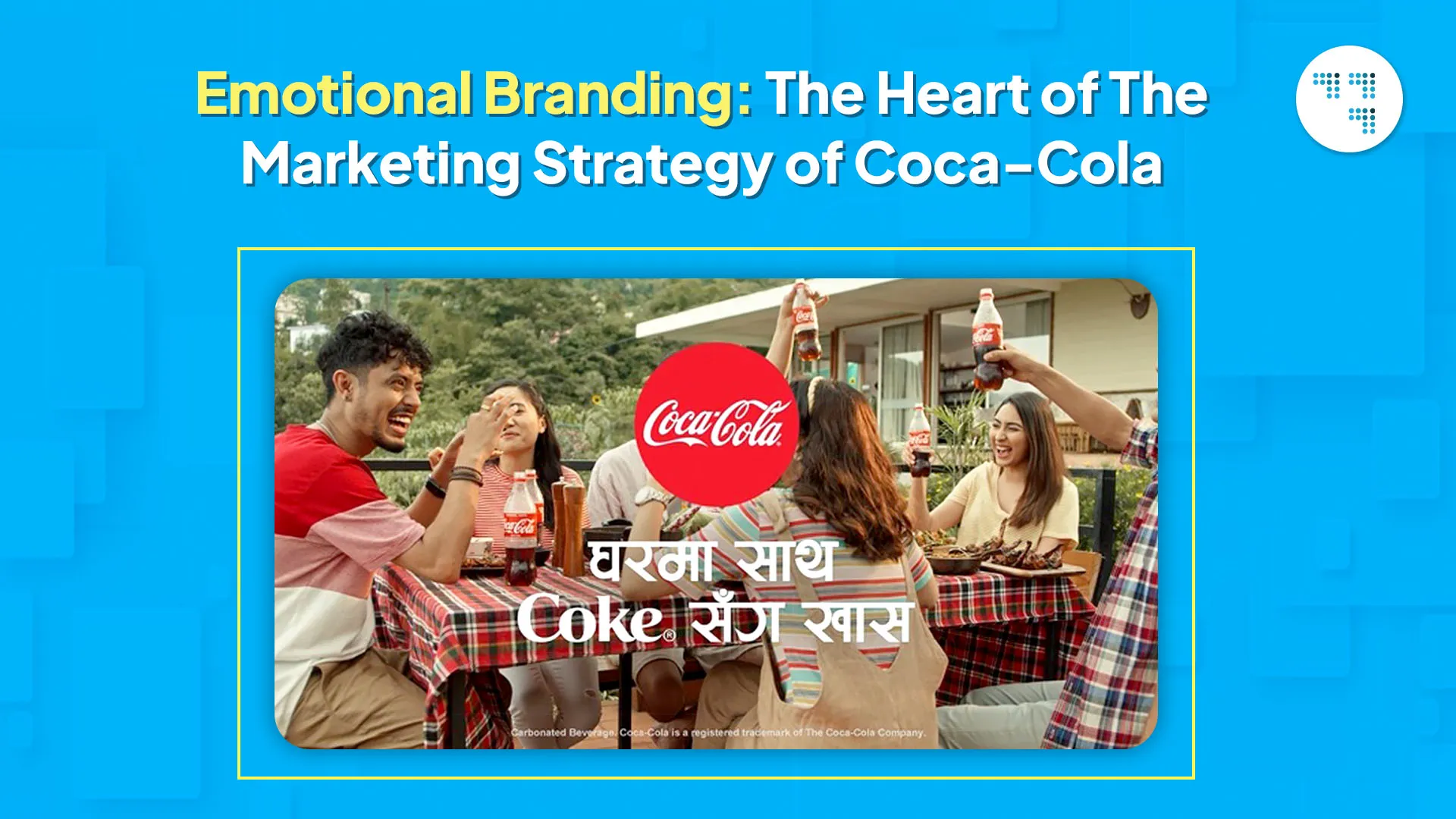
At the centre of The Marketing Strategy of Coca-Cola lies emotional storytelling. Coca-Cola doesn’t just sell beverages; it sells happiness, sharing, celebration, and connection. This stands as one of the most powerful emotional branding examples in marketing history.
From “Open Happiness” to the iconic Christmas campaigns, Coca-Cola advertising campaigns consistently focus on feelings rather than features. The product becomes secondary; the experience becomes primary.
We’ve seen how emotional positioning drives long-term loyalty. Customers may try different drinks, but they return to brands that connect with their memories and emotions.
The Marketing Strategy of Coca-Cola proves that emotion sustains relevance longer than price wars or product features ever can.

Another defining pillar of The Marketing Strategy of Coca-Cola is unwavering brand consistency in marketing. The red-and-white colour palette, signature script font, and contour bottle design remain consistent across decades and continents.
Consistency builds familiarity. Familiarity builds trust. Whether in Tokyo or Toronto, Coca-Cola looks and feels the same. That unified identity strengthens its global brand positioning and ensures instant recognition.
The Marketing Strategy of Coca-Cola teaches us that strong visual identity and message repetition create enduring equity. For brands scaling internationally, consistency is not restrictive; it is empowering.
One of the strongest aspects of The Marketing Strategy of Coca-Cola is its balance between global identity and local relevance. Coca-Cola operates in over 200 countries, yet it feels local everywhere. This approach supports powerful global brand positioning while respecting cultural diversity.
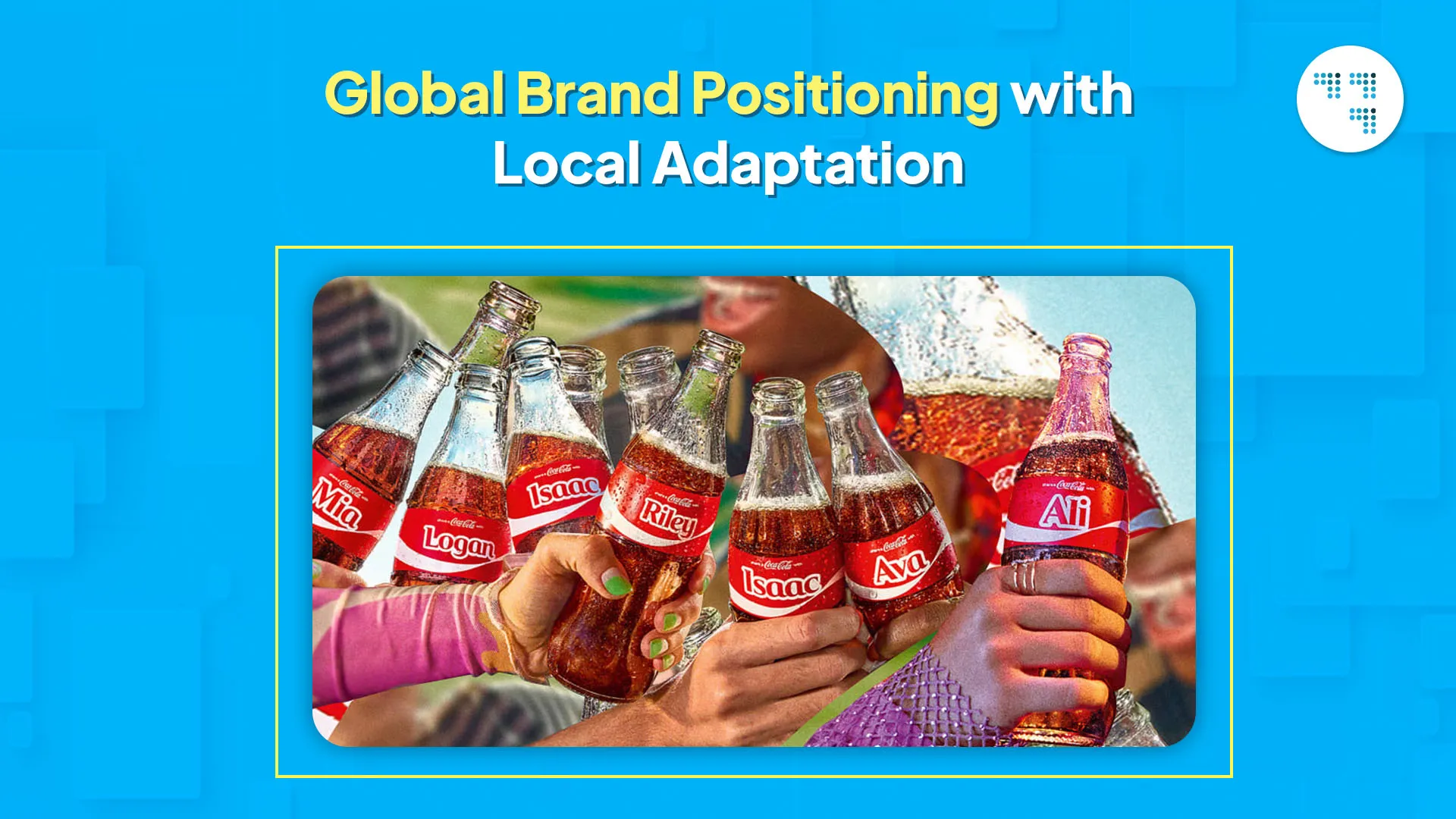
The famous “Share a Coke” campaign is a prime example among successful Coca-Cola advertising campaigns. While the idea was global, the names printed on bottles were localised. That small personalisation created massive engagement worldwide.
The Marketing Strategy of Coca-Cola demonstrates that brands can think globally while acting locally, without losing identity.
The famous “Share a Coke” campaign is a prime example among successful Coca-Cola advertising campaigns. While the idea was global, the names printed on bottles were localised. That small personalisation created massive engagement worldwide.
Coca-Cola advertising campaigns are known for creativity and cultural relevance. The Marketing Strategy of Coca-Cola continuously blends tradition with innovation.
Some iconic campaigns include:
These initiatives strengthen emotional branding examples while reinforcing brand consistency in marketing.
The Marketing Strategy of Coca-Cola shows us that innovation doesn’t require complexity; it requires clarity and consistency.

Behind the emotional storytelling lies a modern digital engine. The Marketing Strategy of Coca-Cola integrates data analytics, AI-driven insights, and digital engagement tools.
While Coca-Cola maintains heritage branding, it also leverages real-time data to optimise campaigns and predict consumer behaviour.
This data-driven approach ensures Coca-Cola marketing strategy remains agile and relevant in a competitive digital landscape. We see here a critical lesson: emotional branding must be supported by measurable analytics.
Another pillar of The Marketing Strategy of Coca-Cola is strategic diversification. As health-conscious trends grew, Coca-Cola expanded its offerings. Instead of resisting change, the brand evolved.
This adaptability strengthens global brand positioning while maintaining brand consistency in marketing. Coca-Cola marketing strategy proves that a strong brand can innovate without diluting its identity.
At its core, The Marketing Strategy of Coca-Cola is simple. The message revolves around happiness, refreshment, and sharing.
Despite decades of change, the core emotional theme remains consistent.
Coca-Cola marketing strategy reminds us that clarity and repetition build legacy.
Coca-Cola marketing strategy stands as a masterclass in emotional storytelling, brand consistency in marketing, global brand positioning, and continuous innovation. By focusing on emotional branding examples and executing powerful Coca-Cola advertising campaigns, the brand has maintained relevance for over a century.
As we reflect on The Marketing Strategy of Coca-Cola, we see a company that balances heritage with evolution. Through strategic positioning, adaptability, and digital transformation, Coca-Cola continues to dominate global markets. For brands seeking longevity, the formula is clear: build emotional connections, maintain consistency, innovate continuously, and position your brand boldly on a global stage.
Coca-Cola’s brand strategy focuses on emotional storytelling, strong global positioning, and consistent branding, creating deep customer loyalty and worldwide recognition beyond just selling beverages.
Coca-Cola maintains consistency through its iconic logo, red color palette, unified messaging, and adaptable campaigns that preserve core brand values across different markets.
Emotional branding connects Coca-Cola with happiness, celebration, and togetherness, building long-term customer loyalty and strong emotional associations across generations.
Advertising campaigns reinforce brand recall, emotional appeal, and cultural relevance, keeping Coca-Cola visible, memorable, and competitive in global markets.
Coca-Cola adapts through digital marketing, product innovation, and cultural alignment, evolving with trends while maintaining its timeless brand identity.

#80, 1st mainSanthrupthi
Nagar,JP Nagar 7th Phase, Bengaluru-78

© Copyright 2026, All Rights Reserved by RDS Digital
© Copyright 2024, All Rights Reserved by RDS Digital
Want to grow Your Business With Our Digital Marketing Solutions?