Categories
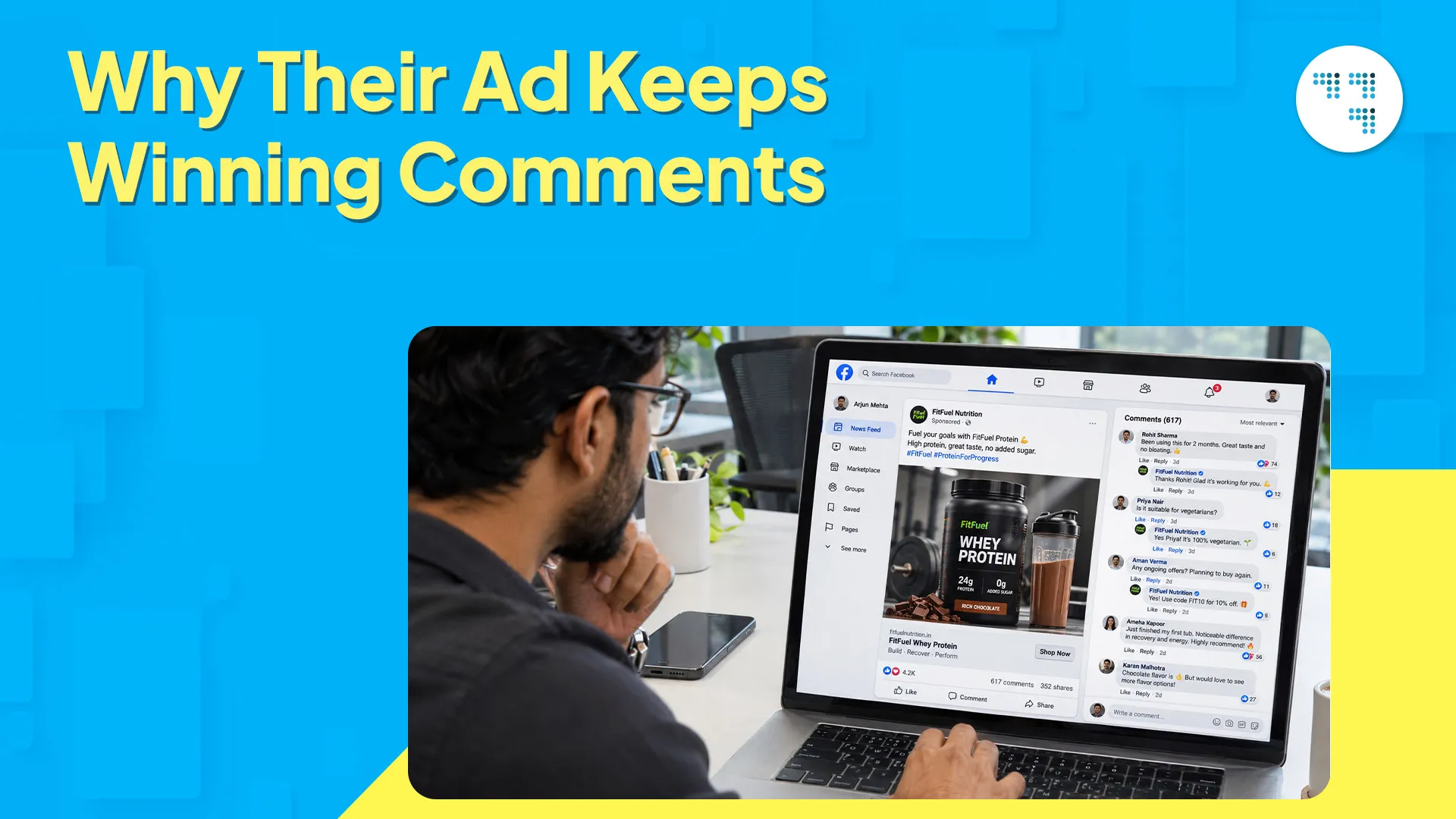
You’ve scrolled down your feed and there it is! Your Competitor is running an ad that people are commenting on. It seems like you can’t get out of the slump with your campaigns. You want to copy what they’re doing, but copying competitor ads can cause brand confusion, ad fatigue and waste money. Using Competitor Ad Analysis can help you reverse engineer why their Ad Is Working so well.
In this article we’ll walk you through how to analyse competitor ads using some free tools such as The Meta Ad Library.
Copying the copy, visuals and offers of Your Competitor may seem like an easy win, but it can cause:
Instead, you should perform Competitor Ad Analysis. This helps you to understand how they have structured their ads and the psychology behind them. You don’t need to know what ROI they’re getting, but you will want to know what emotional trigger they are using, what format they’re using and how long they’ve been using it.
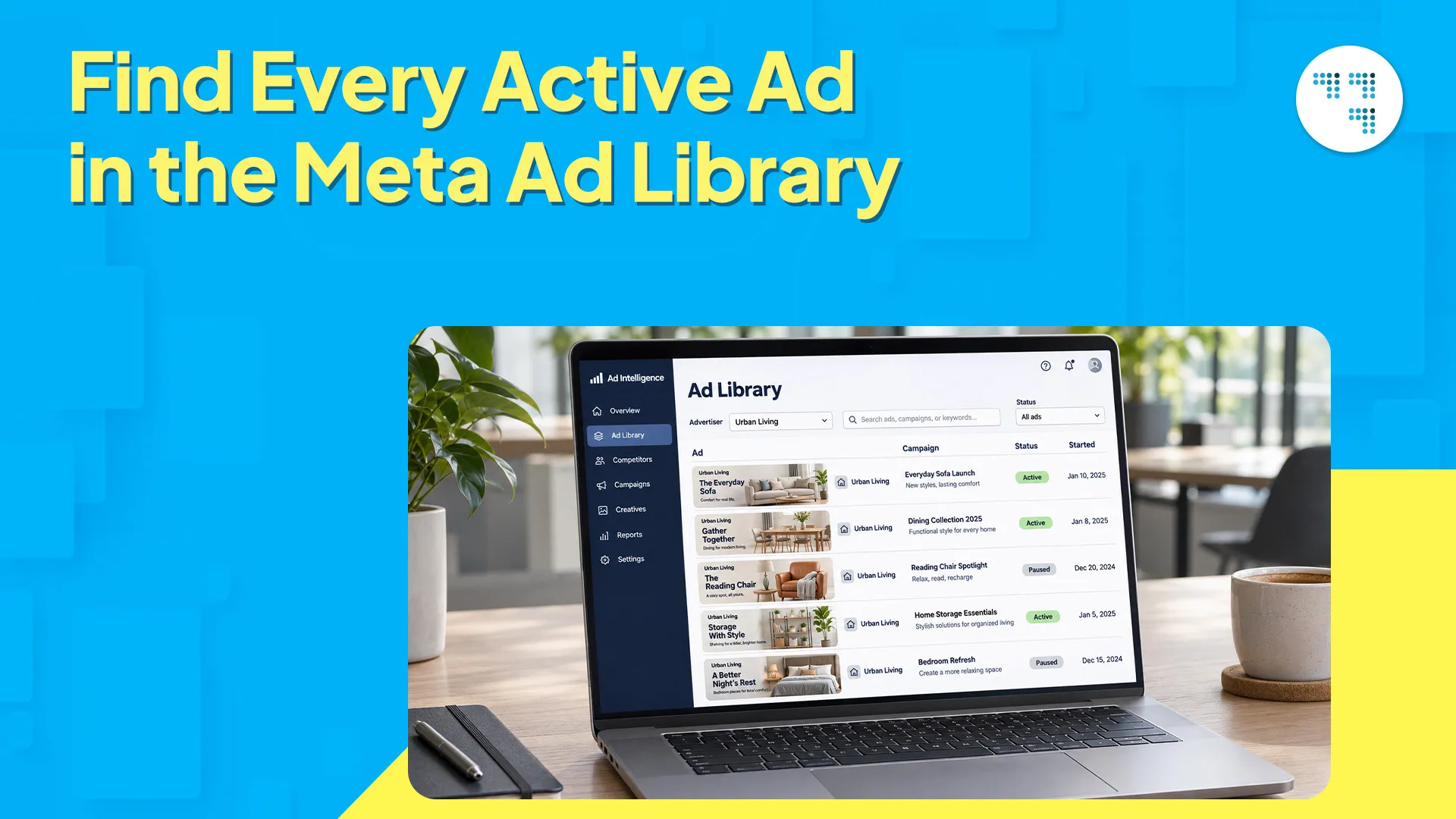
Using the Meta Ad Library is the best free tool to use for Competitor Ad Analysis. This shows you all the ads they are currently running as well as any that have been paused or removed.
Don’t attempt to watch all competitors. Choose 10-12 competitors directly in your niche and place them in a spreadsheet or simple tracker. Check their library once a week.
If they’ve been running the same creative for 3 months or more, this is almost definitely an ad that is bringing them profit. This means they’re converting well and have a low cost per result. Take note of the headline, main body and CTA.
If you can see 5-10 variations in their ads (either different images with the same hook or same image with different offer), they’ve been testing. The one that has been running the longest is likely to be the winner. This will show you what angle to test.
Even if the ad has only been running for a short amount of time, it’s still useful to take note of. This means it’s not working for them. Maybe they have the wrong audience or offer. Don’t make the same mistake.
Now you’ve gathered a few competitor ads, let’s look into why they’re working.
To help make this easier, de-dupe your list in 2 stages. Firstly, group them into ads that are very similar (same image and same headline). Then group them into categories of psychology. For example, fear of missing out, exclusive offer, limited time offer or social proof.
However, the most useful thing to look out for is any new category names. This means they’ve changed their positioning or how they’re offering. Ask yourself what problem are they solving now that they weren’t before?
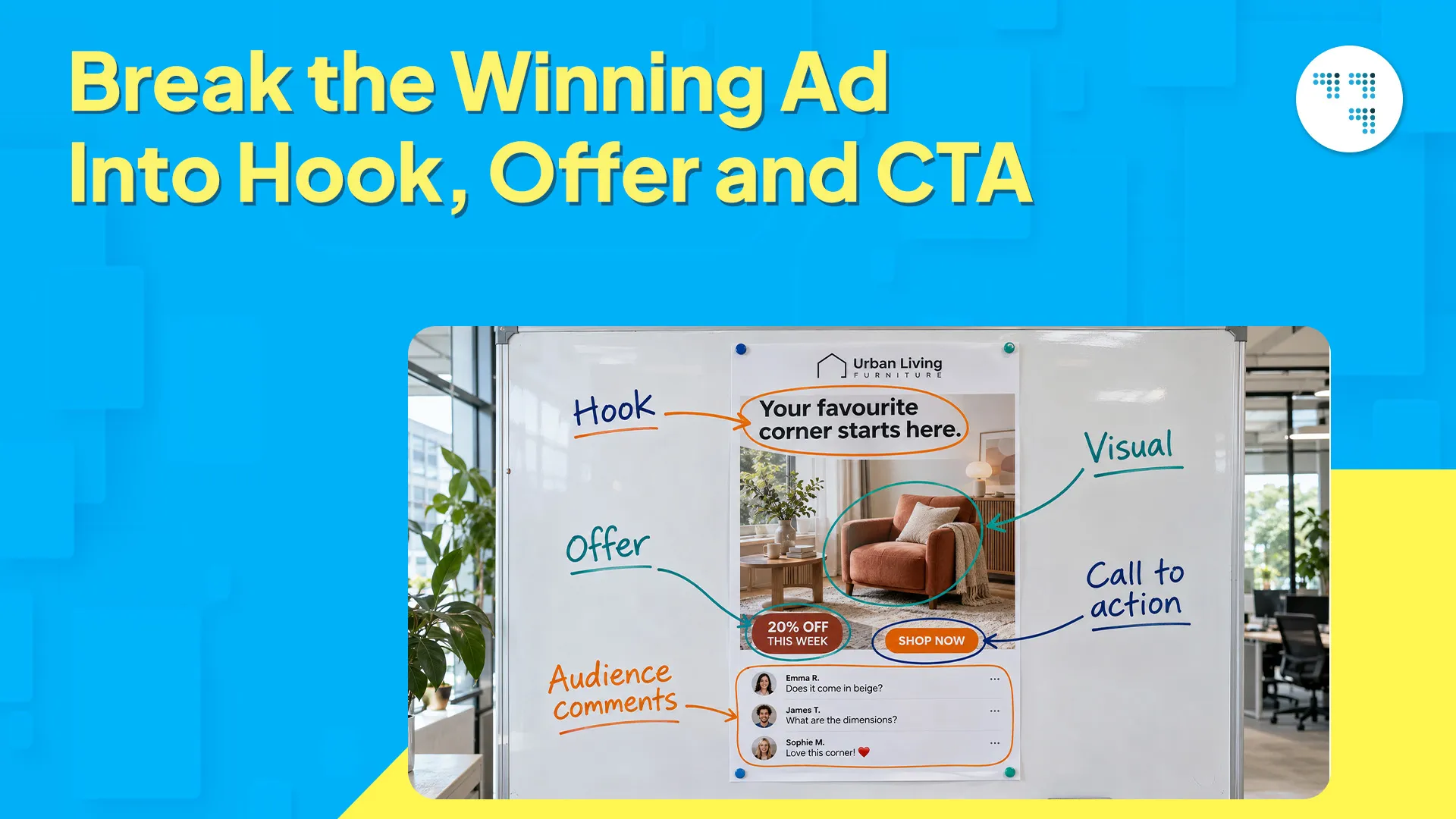
Break down their winning ad into:
Hook – What is the first 1-2 lines? Is it a question, bold statement, stat?
Offer – Discount, free trial, consultation or lead magnet?
CTA – Shop Now, Get Started or book a call?
Visual – Product image, lifestyle image, user generated content or video?
Targeting – Look at their comments. Who is engaging with them? What are they asking?
This will give you a list of what is working for your shared audience
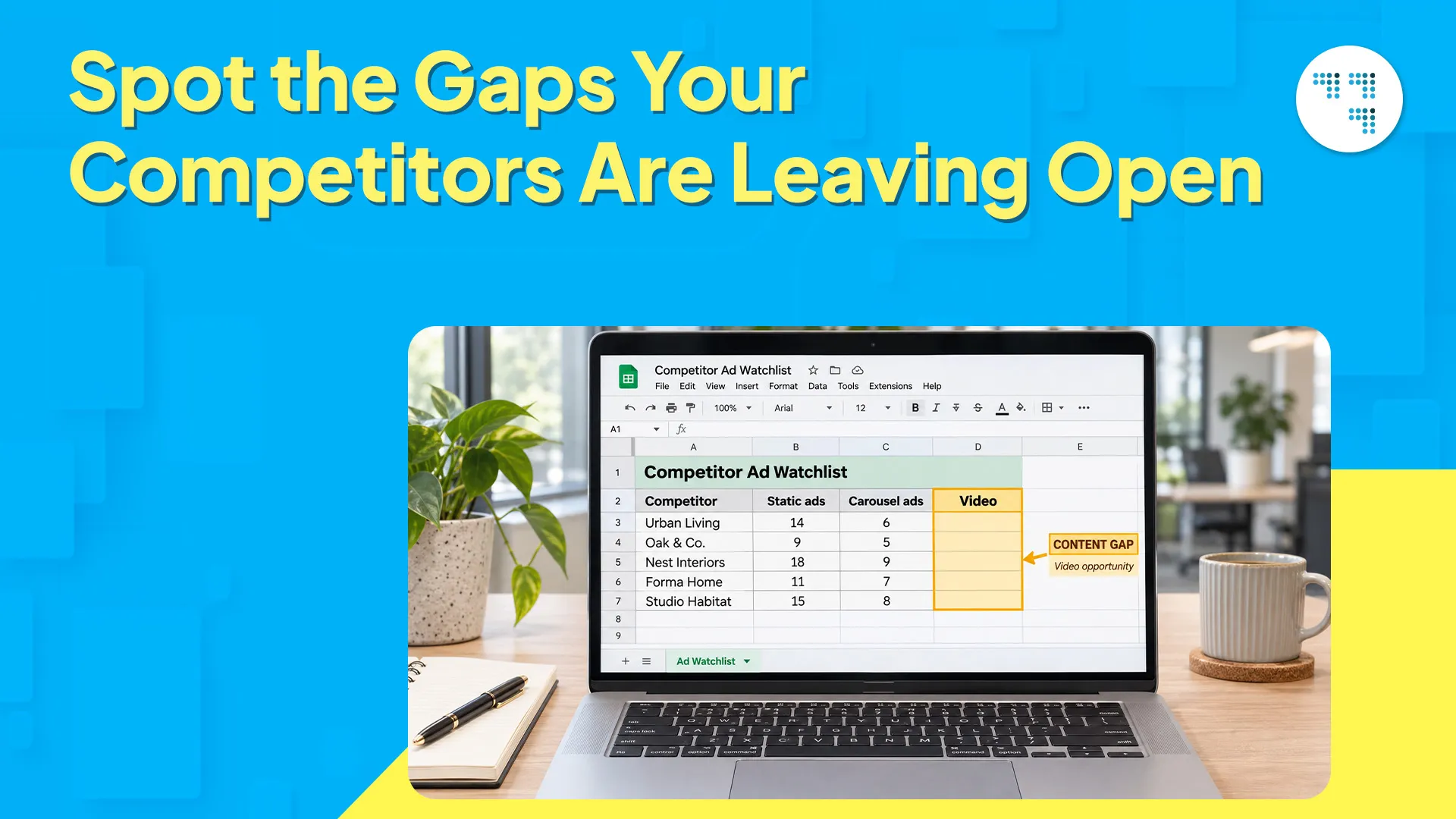
Look through your watchlist and see what content they aren’t using. For example:
This will give you an angle to stand out from the crowd. Try testing this first as it could be an untapped area for you.
Look at The Meta Ad Library weekly. Are they using new ad formats? (i.e. Reels, carousel, collection ads). If they are using something new and multiple competitors are doing the same in a short period of time then it’s a trend. Also look at whether they are doing more ads around certain times of year.
Before going ahead with this angle, check whether people are searching for it. Use Google’s ‘People also ask’ or a keyword tool to see if your target audience are searching for it. For example, if you’re in the SaaS industry and they’re using ‘AI automation,’ in their ads then check how many people are searching for ‘AI automation for small business’. If there isn’t much volume then they’re probably using retargeting or lookalike audiences.
Is this angle based on a trend or is it evergreen? Evergreen angles will last longer (i.e. save time, reduce costs, increase revenue) whereas trends won’t (i.e. use this for the metaverse). Focus on the insights that will still be relevant in a year.
Creating Your Own Ad Creative Strategy
If they’re using ‘Tired of X?’ try ‘What if you could Y in half the time?’ It’s using the same emotion but you’re using your own wording.
A/B test anything you’ve learnt. If they are using long copy try short copy. If they are using product images try lifestyle images. If they are offering a discount try offering a free resource. Use their winning angle as your base but change the format, tone or offer.
Your brand has its own personality, values and story. Use this in all of your ads. For example, RDS Digital position themselves as an end-to-end digital marketing partner. This is hard to copy from a niche competitor.
Look into using:
Competitor Ad Analysis will help you learn quicker. Using The Meta Ad Library, understanding the psychology, identifying content gaps and validating trends will help you create ads that outperform your competitors.
Get Started with Competitor Ad Analysis today. Book a free audit with us and we’ll help you identify the winning angles your competitors are using. We can then help you create a bespoke ad Creative Strategy. Get in touch today.
Use The Meta Ad Library. Search for the page name and filter by country and ad status. Look for ads that have been running for a while and look for creatives that are clustered. For a full analysis, use our competitor research marketing services to get a detailed report.
Competitor Ad Analysis is analysing your competitors ads to understand their strategy, targeting, creative and performance. It will help you to create your own ad creative.
Spying on your competitors is completely legal and ethical. You’re simply viewing ads that are already public. If you want to do this in a structured way, our PPC management team can set this up for you.
Yes. All ads on The Meta Ad Library and Google Ads Transparency are public due to their policies.
Ideally once a week. However, if you’re in a fast moving niche (i.e. e-commerce during the holiday season) then check 2-3 times a week. Set a specific time on a specific day.
Yes indirectly. Many of the angles and keywords you can find will relate to search intent. Use these to improve your blog and landing pages. Our SEO services can help you.

#80, 1st mainSanthrupthi
Nagar,JP Nagar 7th Phase, Bengaluru-78
© Copyright 2026, All Rights Reserved by RDS Digital
© Copyright 2024, All Rights Reserved by RDS Digital
Want to grow Your Business With Our Digital Marketing Solutions?