Categories
Have you ever wondered why you find yourself returning to IKEA time and again? What’s the secret behind their remarkable brand loyalty? The marketing strategy of IKEA is a carefully crafted blueprint that has helped the company become one of the most beloved global brands. From their business model to their innovative customer-centric strategies, IKEA has nailed it when it comes to customer engagement. In this blog, we will dive deep into the key elements of the marketing strategy of IKEA and how it has built an empire of loyal customers around the world. Let’s get started!
IKEA’s business model focuses on providing affordable, stylish, and functional home products at scale. The company’s low-cost structure and efficient operations allow them to pass on savings to customers. By focusing on self-assembly furniture and maintaining control over design and distribution, IKEA has created a model that encourages customer participation, reducing overheads while delivering high-quality products. Their cost-leadership approach ensures that IKEA remains the go-to brand for budget-conscious consumers who still want value, style, and functionality. The business model also emphasizes global reach with over 400 stores worldwide, paired with their strong e-commerce presence.
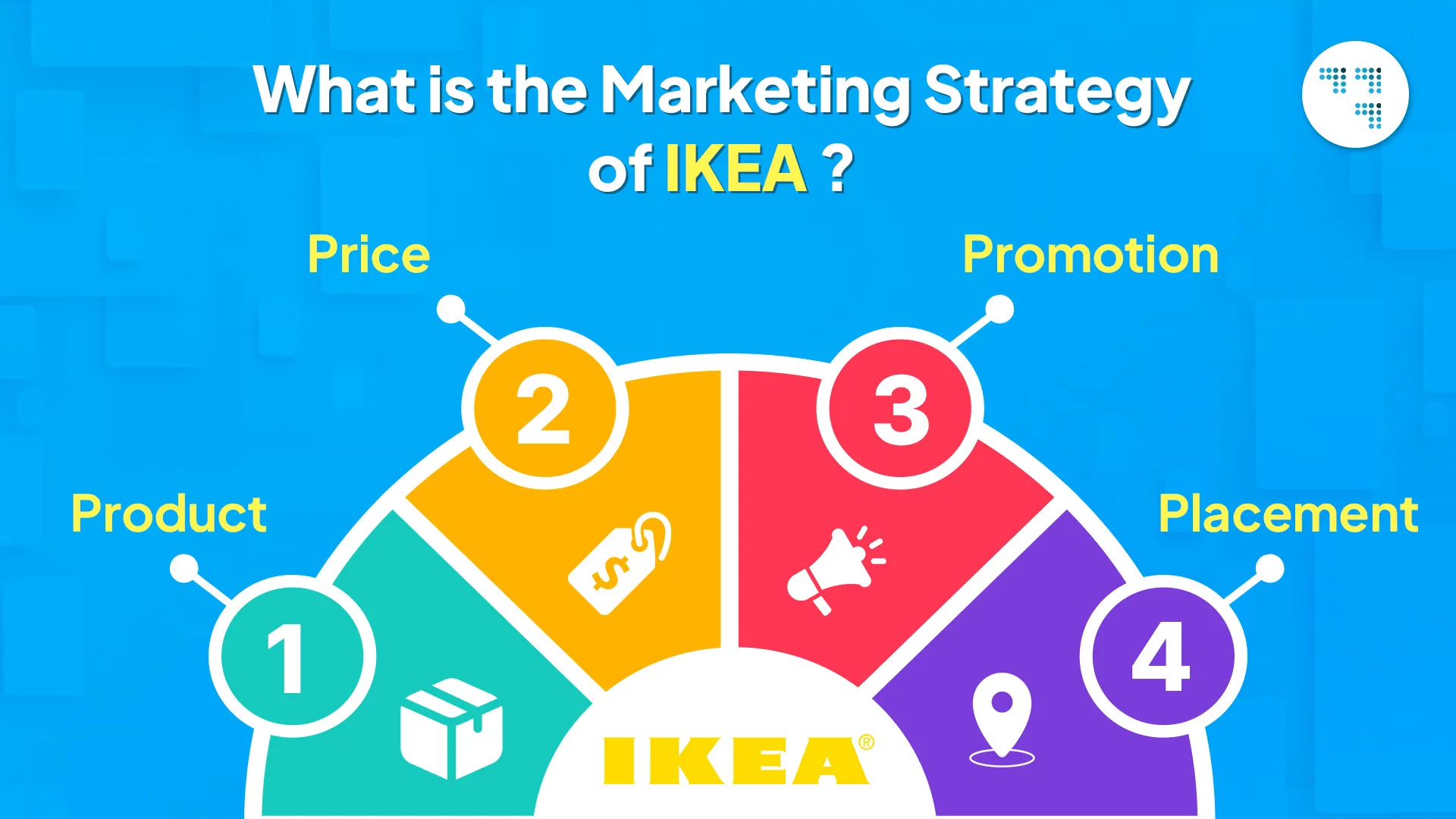
The marketing strategy of IKEA is a powerful mix of innovation, consistency, and customer-first thinking. IKEA understands that creating brand loyalty isn’t just about selling furniture—it’s about selling an experience. Here’s a breakdown of IKEA’s marketing strategy:
IKEA’s product strategy revolves around three main pillars: affordability, functionality, and design. The company’s products cater to a wide range of customers, from budget-conscious shoppers to those seeking Scandinavian design.
The pricing strategy is another key element of the marketing strategy of IKEA. IKEA focuses on maintaining low prices while providing customers with quality.

IKEA’s promotional efforts are deeply integrated into its overall strategy. The brand uses clever marketing campaigns that evoke emotional connections with their customers.
Placement, or distribution, plays a vital role in the marketing strategy of IKEA. The brand makes it easy for customers to find their products across multiple channels.
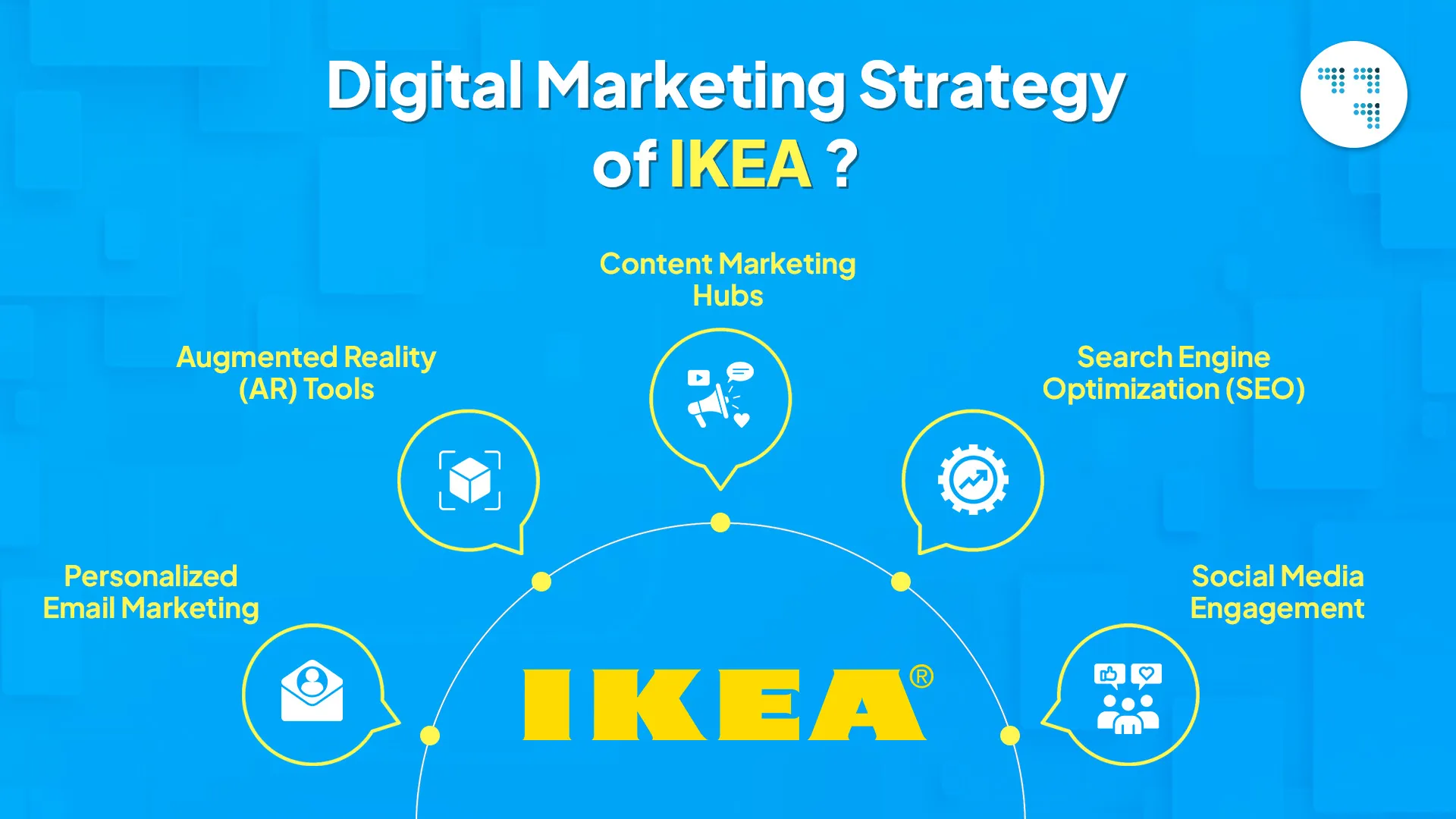
The evolution of the marketing strategy of IKEA in the digital realm has been powerful, moving from the printed catalog to an interactive, personal online journey. This digital push is a key part of the modern marketing strategy of IKEA.
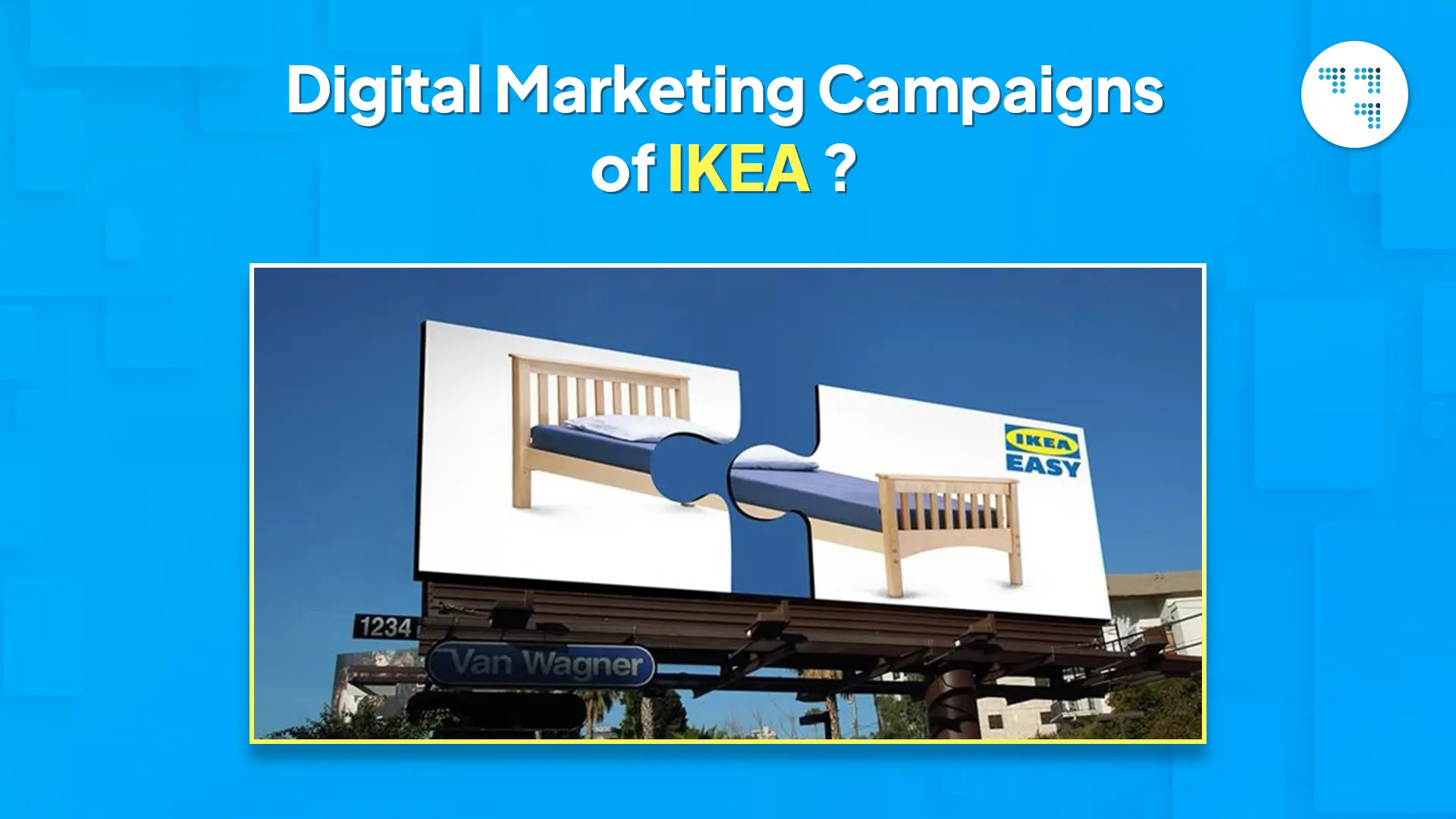
IKEA’s digital campaigns are often clever, tongue-in-cheek, and incredibly effective at creating buzz and engagement. These campaigns demonstrate the creative execution of the marketing strategy of IKEA.
We see clear, actionable lessons from the genius marketing strategy of IKEA. This is how you build a brand that people genuinely love and want to engage with.

We have seen that the unwavering brand loyalty is a direct result of the brilliantly executed marketing strategy of IKEA. It’s a strategy built on shared value, functional design, cost-consciousness, and a commitment to your experience. The brand doesn’t just sell you a table; it gives you the power to create your dream home, affordably. By making you feel like a resourceful, savvy homeowner, the marketing strategy of IKEA ensures you will return again and again. You are not just a consumer; you are part of the IKEA community.
We at RDS Digital embody the spirit of transformation, just as the powerful marketing strategy of IKEA has demonstrated. We turn dreams into reality, leveraging the best creative knowledge, innovative tools, and intelligent technology. We first understand your business goals and target audience. Our team brings together ideas from various experiences to forge new paths and offer unforgettable experiences that resonate deeply with your customers. We make your vision our mission.
IKEA’s marketing strategy focuses on affordability, functionality, and Scandinavian design. It combines cost-effective product pricing, immersive in-store experiences, digital innovation, and strong brand positioning to engage customers and create long-term loyalty worldwide.
IKEA attracts customers through competitive pricing, high-quality products, and a unique in-store experience. Retention is driven by loyalty programs, digital tools like the IKEA app, and a consistent brand message that focuses on sustainability, home improvement, and customer engagement.
IKEA uses a cost-leadership pricing strategy, offering high-quality, affordable products. It leverages self-assembly to reduce costs, targets budget-conscious consumers, and offers tiered pricing for different product lines, ensuring accessibility while maintaining quality and value for money.
IKEA localizes its marketing by adapting products, services, and campaigns to fit local cultures and consumer preferences. It tailors its product range, store layout, and promotional content to resonate with specific regional needs, ensuring relevance in diverse global markets.
IKEA differentiates itself by combining affordability with stylish, functional design, offering an immersive in-store experience. Unlike competitors, IKEA’s DIY model reduces costs, and its emphasis on sustainability, large-scale stores, and an efficient online presence strengthens its unique market positioning.

#80, 1st mainSanthrupthi
Nagar,JP Nagar 7th Phase, Bengaluru-78

© Copyright 2026, All Rights Reserved by RDS Digital
© Copyright 2024, All Rights Reserved by RDS Digital
Want to grow Your Business With Our Digital Marketing Solutions?