Categories
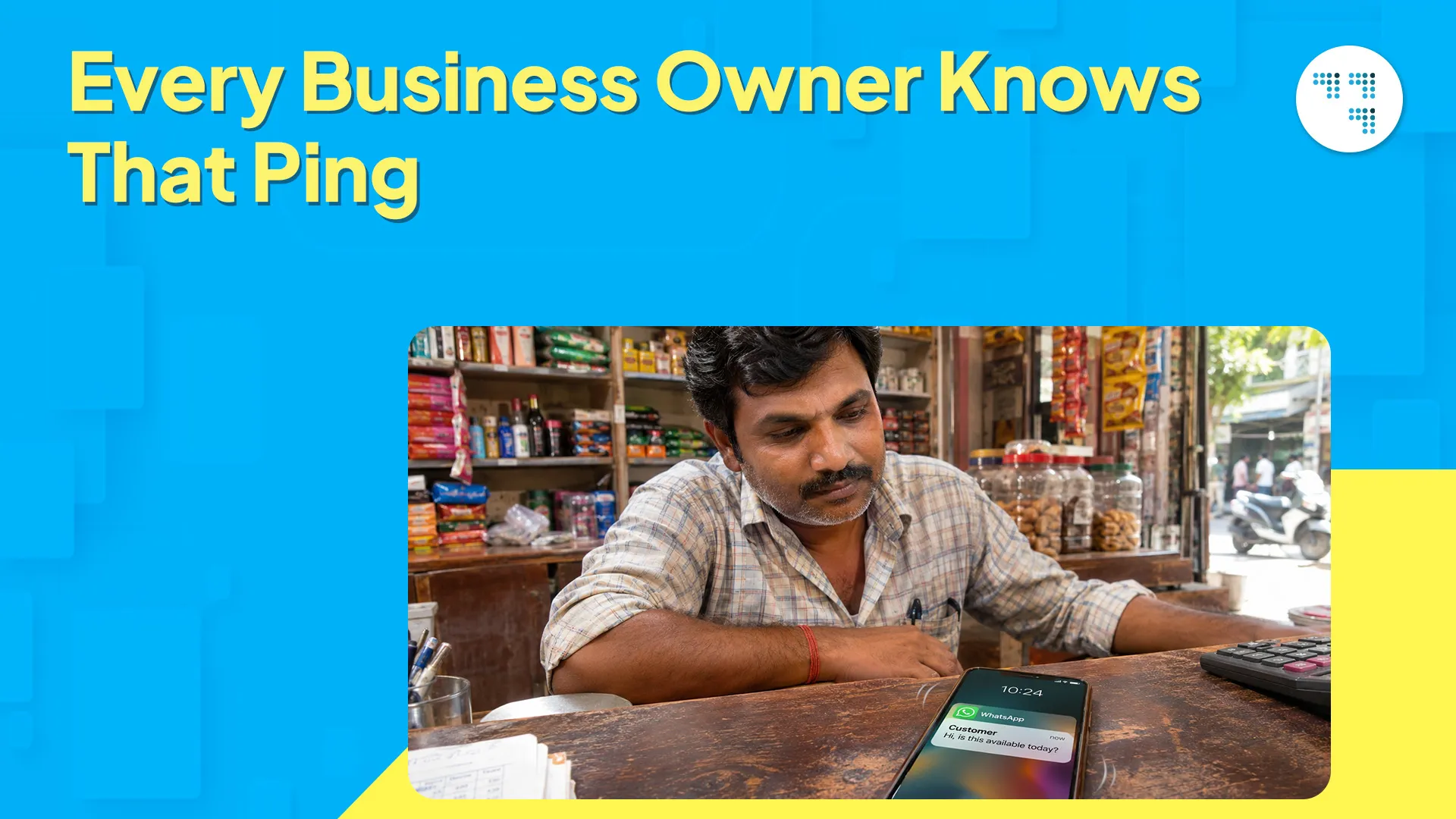
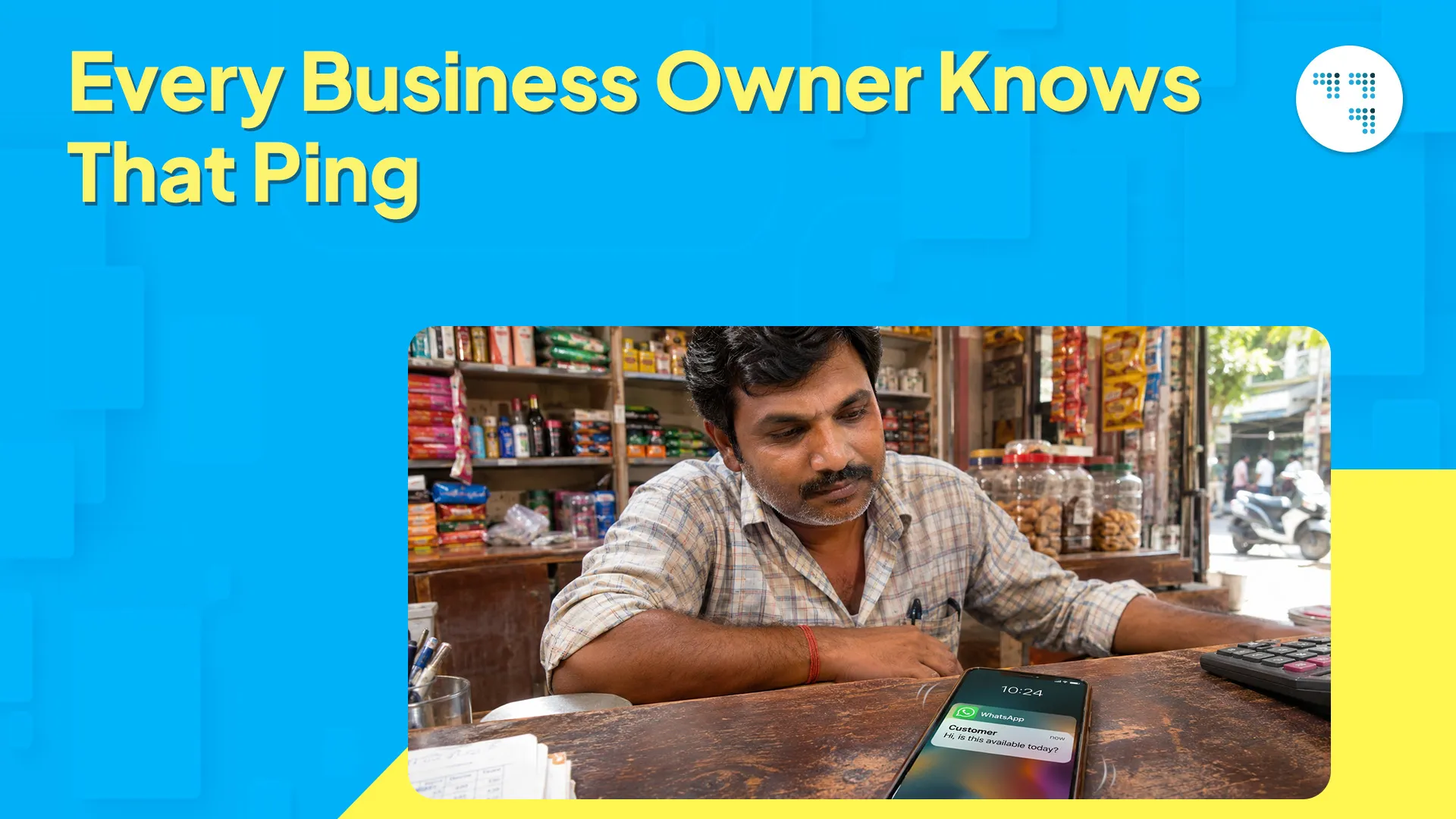
Every business owner in India will be familiar with the sound of a WhatsApp notification. Whether it be from a customer, supplier or friend.
However, what many businesses fail to realise is that WhatsApp is one of the most powerful sales channels available.With huge amounts being spent on Google Ads, Facebook & SEO, businesses are missing out on their customers who are spending hours on this platform.
Most businesses use WhatsApp for customer support.With high engagement rates, personalisation and direct interaction with customers, businesses can utilise WhatsApp to drive sales. Here is a simple playbook for Indian businesses.
WhatsApp is now an intrinsic part of everyday life in India. From small retail stores to large e-commerce brands, businesses use WhatsApp to interact with their customers.
However, this does not mean that they use it for sales.A report from Meta India and Bain & Company in 2024 stated that over 650 million Indians are active on social & messaging apps but only around 200 million shop online. This means there is huge potential for businesses to drive sales by utilising digital shopping through familiar communication.
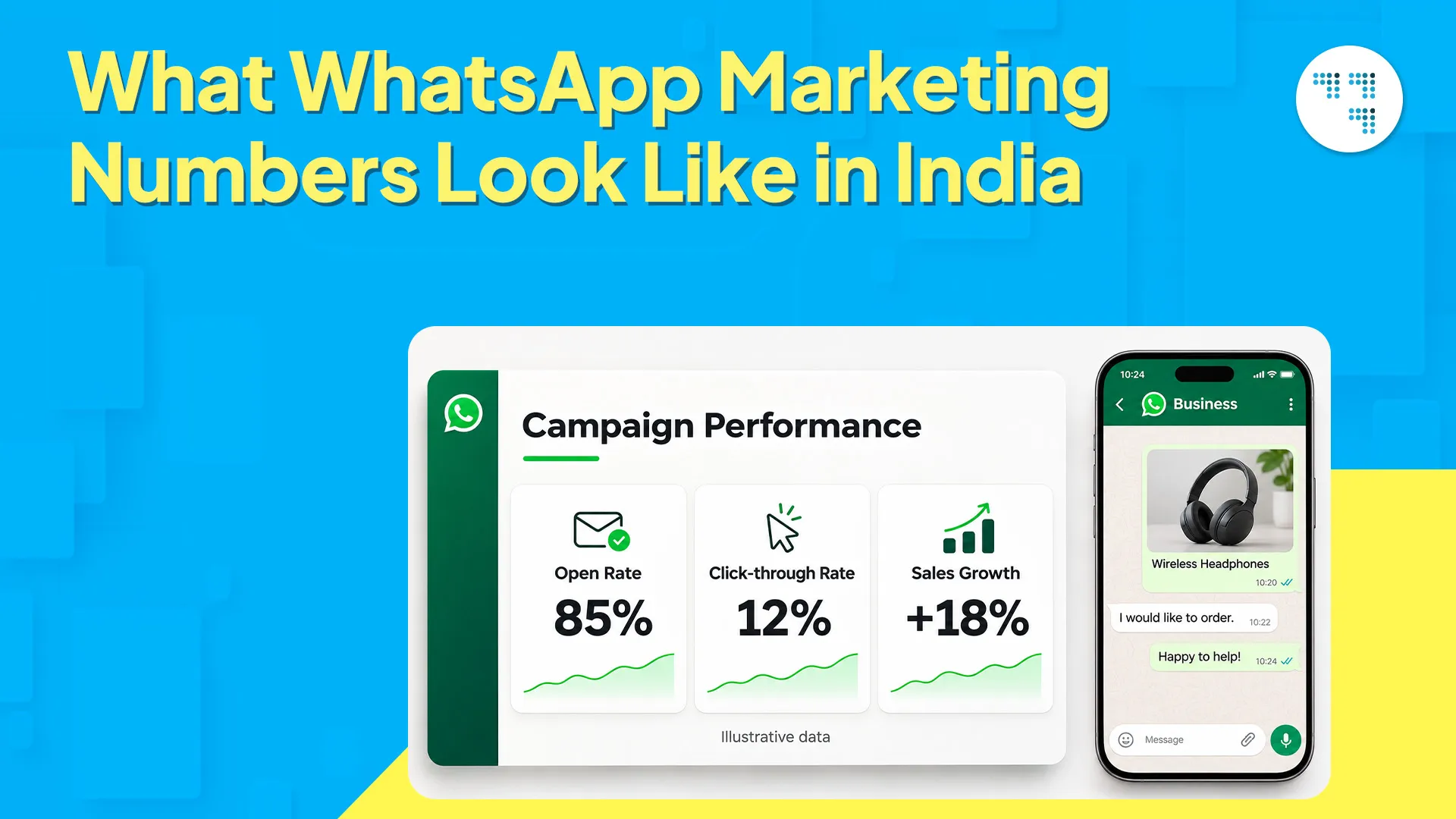
Unlike emails & SMS which can be ignored, WhatsApp provides a more engaging & personal experience. Customers can ask questions, browse products and receive personalised recommendations.The GoKwik Intelligence Report analysed over 26 billion messages from 1,800+ D2C brands between April 2025 and March 2026. The report showed that open rates increased from 27.98% to 34.51%.
Many businesses still use WhatsApp for order updates, queries & complaints.Unfortunately, this means businesses are missing out on some great opportunities:
They may have a communication channel but lack a sales strategy.
Before investing in WhatsApp marketing, businesses should know what they can expect.
Some key stats from the GoKwik Intelligence Report were:
Businesses are investing more in conversational solutions.
These stats show that businesses should consider using WhatsApp as part of their marketing strategy. However, this depends on the quality of your audience, relevance, execution & customer experience.
A big reason businesses lose potential customers is because of slow response times.
If a customer asks a question and it takes hours to respond, they may have gone to a competitor.Using the WhatsApp Business Platform businesses can automate initial responses. This will let customers know they have been acknowledged & provide them with the relevant information.When someone asks a question about your service, you can provide:
Businesses can also use pre-approved templates & quick replies to answer common questions.
When a customer messages your business they have a 24hr customer service window. This means you can reply freely. If they message outside of the 24hr window, you will generally need to use pre-approved templates.This is not to replace human interaction but to ensure customers receive a fast response & qualified leads aren’t missed.
At RDS Digital we can help businesses create automated communication strategies to ensure they have lead generation & follow up.
View our WhatsApp marketing services →
Sending the same promotional message to your contacts will rarely provide any meaningful engagement.Customers will have different interests, shopping habits & needs. You should tailor your communication to them.Start by segmenting your audience. This could be based on previous purchases, location, interests & where they are in your sales funnel.
For example:
Personalising your communication will make it more relevant & encourage customers to engage.You don’t need complicated tools to get started. Simply tagging your customers in your CRM will help you organise your contacts & send targeted campaigns.
Ensure your messages are providing value.
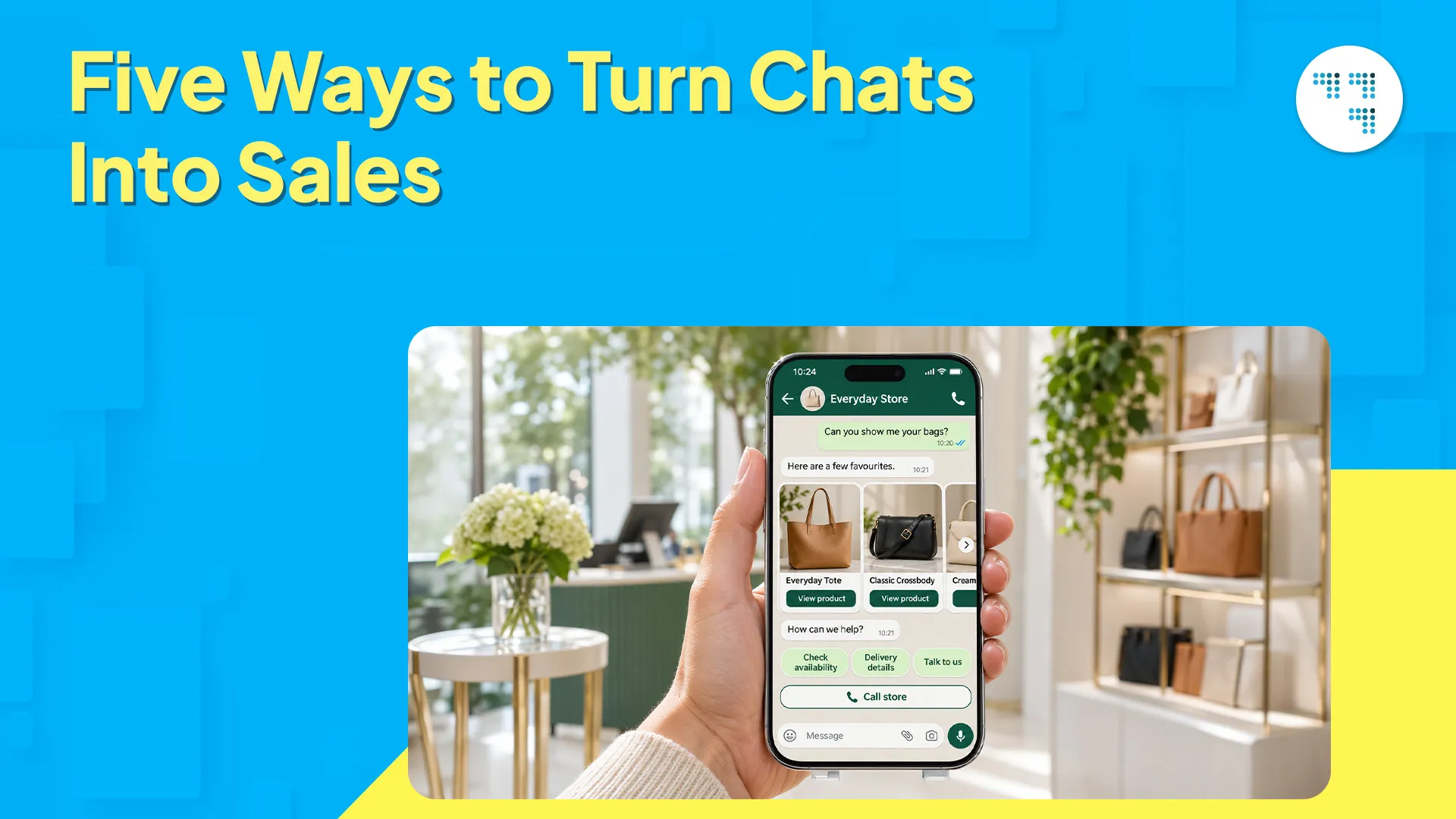
WhatsApp is not just for sending text messages. You can send images, videos, PDFs, product catalogues & interactive buttons.Instead of sending a message saying ‘Check out our new collection’, send images of your products with pricing & descriptions.Instead of asking them to call for more information, provide a call button.Interactive features such as quick replies & call to action buttons will make it easier for customers to purchase.This is especially useful for Indian businesses as customers will want a quick & mobile friendly interaction.
The aim is to make it easier for customers to find out about your product.
Don’t forget to communicate with your customers after they have made a purchase.
This is a great opportunity to build loyalty, encourage repeat purchases & drive referrals.
A simple post sale sequence could be:
For example, if they have bought a phone case they may want a screen protector. If they have ordered a birthday cake, suggesting candles & decorations would be great.
These should be relevant recommendations.
By continuing to communicate with your customers after they have made a purchase you will create opportunities for repeat business.
Using WhatsApp with your other marketing tools will make it more effective.
Integrating with your CRM will help you keep track of your customers, queries & follow ups.
For example:
It will also help you manage opt-ins & unsubscribes.
Always ensure you have clear records of opt-ins & follow Meta’s messaging policies. Only send marketing messages to customers who have opted in.
Start by using a WhatsApp Business Platform provider & simple CRM integrations. As you progress you can move onto more advanced Marketing Automation.
RDS Digital can help you integrate your communication channels to create practical marketing & sales strategies.
View examples of how we have helped brands automate their sales →
Even if you have a well planned strategy, there are some basic mistakes businesses make.
Sending unsolicited marketing messages can cause issues with trust & goes against Meta’s policies. Build your audience through opt-ins on your website, social media promotions, checkout & in store QR codes.
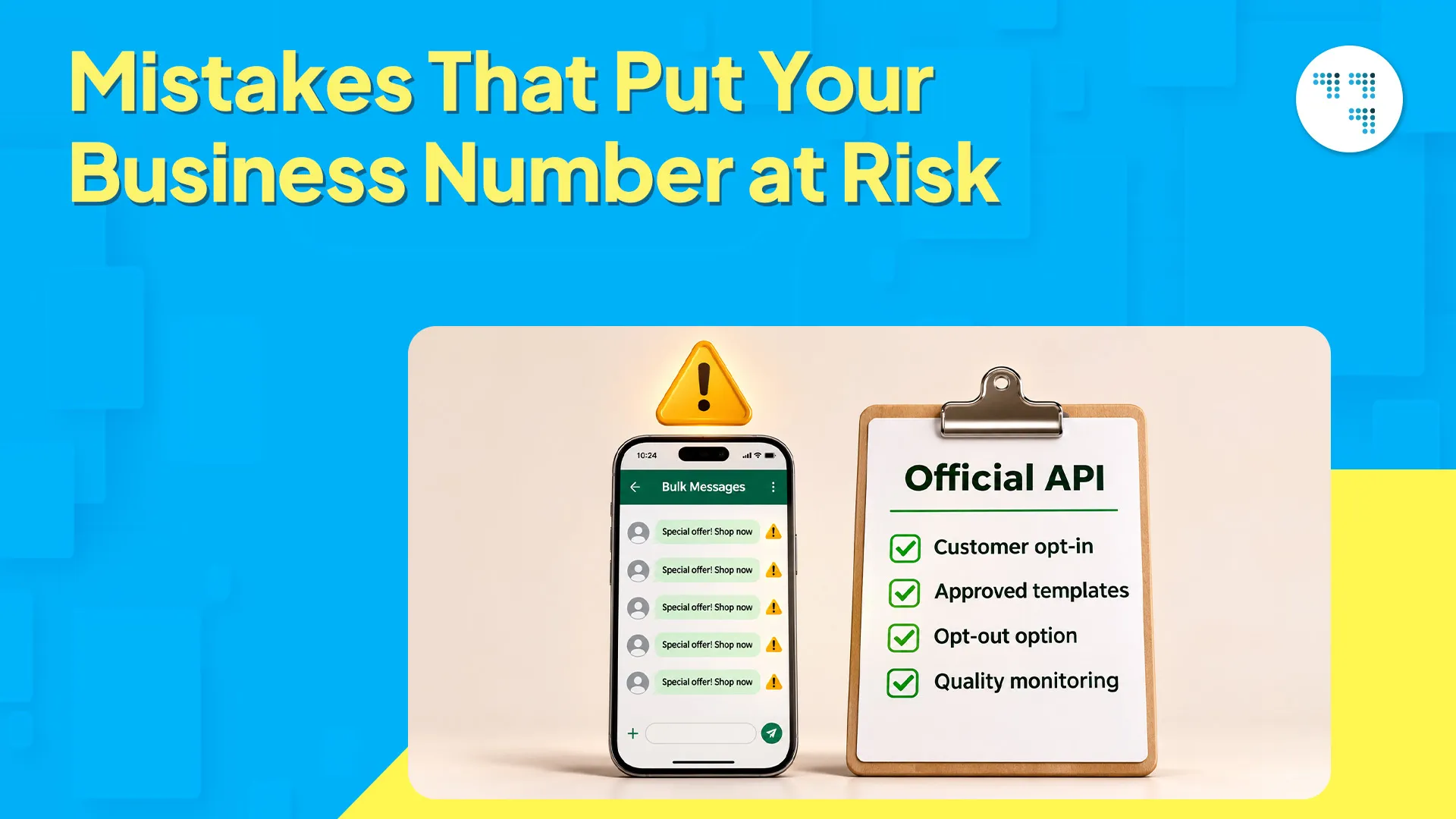
Using unofficial tools to automate your regular WhatsApp application can put your business number at risk. Use the official WhatsApp Business Platform through an authorised provider.
Customers do not want to be sold to. Provide value by sending helpful information, product updates, tips & relevant offers.
Where possible track your delivery, read, click & conversion rates. This will help you improve your messages, timing & calls to action.
Whilst using automated replies can be useful for general queries, complex queries & complaints often require human interaction. Ensure customers can contact a real representative.
This is likely to be a growing opportunity as more businesses use conversational commerce & customers become more comfortable using messaging platforms.
There are 3 main reasons to consider:
The opportunity is not just about being on WhatsApp, but creating a useful & well managed communication strategy so customers don’t feel bombarded with marketing messages.
Your customers are using WhatsApp daily. They are asking questions & comparing products.This is a great opportunity to get your business involved.You don’t need a huge marketing budget, but you do need a clear strategy, the right tools & a better way to communicate.
Get started by automating your lead follow up, segmenting your audience & creating meaningful post sale interactions.Don’t just use it for customer support. Use it to build relationships & drive sales.
No. The WhatsApp Business Platform uses Meta’s relevant pricing structure for each type of message & market. There may also be additional costs from your service provider. Check Meta’s current pricing.
Yes. Businesses must have opt-ins from their customers. Ensure you have clear records of opt-ins & provide a clear way for customers to opt out.
Use the official WhatsApp Business Platform through an authorised provider. Send pre-approved templates to opted in contacts & follow Meta’s messaging policies. Don’t use unofficial bulk messaging tools.
When a customer messages your business, you have a 24 hour customer service window. During this time you can reply freely. Once the window has expired, you will generally need to send pre-approved templates.
Track your click through rates, queries, conversions & revenue. Use UTM’s & CRM integration to see which messages are helping you drive sales.
Yes. Businesses can use WhatsApp to send product catalogues, quotations, follow up with prospects, updates & keep customers informed.
Businesses will need the correct Meta business setup & access to the WhatsApp Business Platform (either directly or through an authorised provider). RDS Digital can help you set this up, integrate & create a strategy.

#80, 1st mainSanthrupthi
Nagar,JP Nagar 7th Phase, Bengaluru-78
© Copyright 2026, All Rights Reserved by RDS Digital
© Copyright 2024, All Rights Reserved by RDS Digital
Want to grow Your Business With Our Digital Marketing Solutions?