Categories
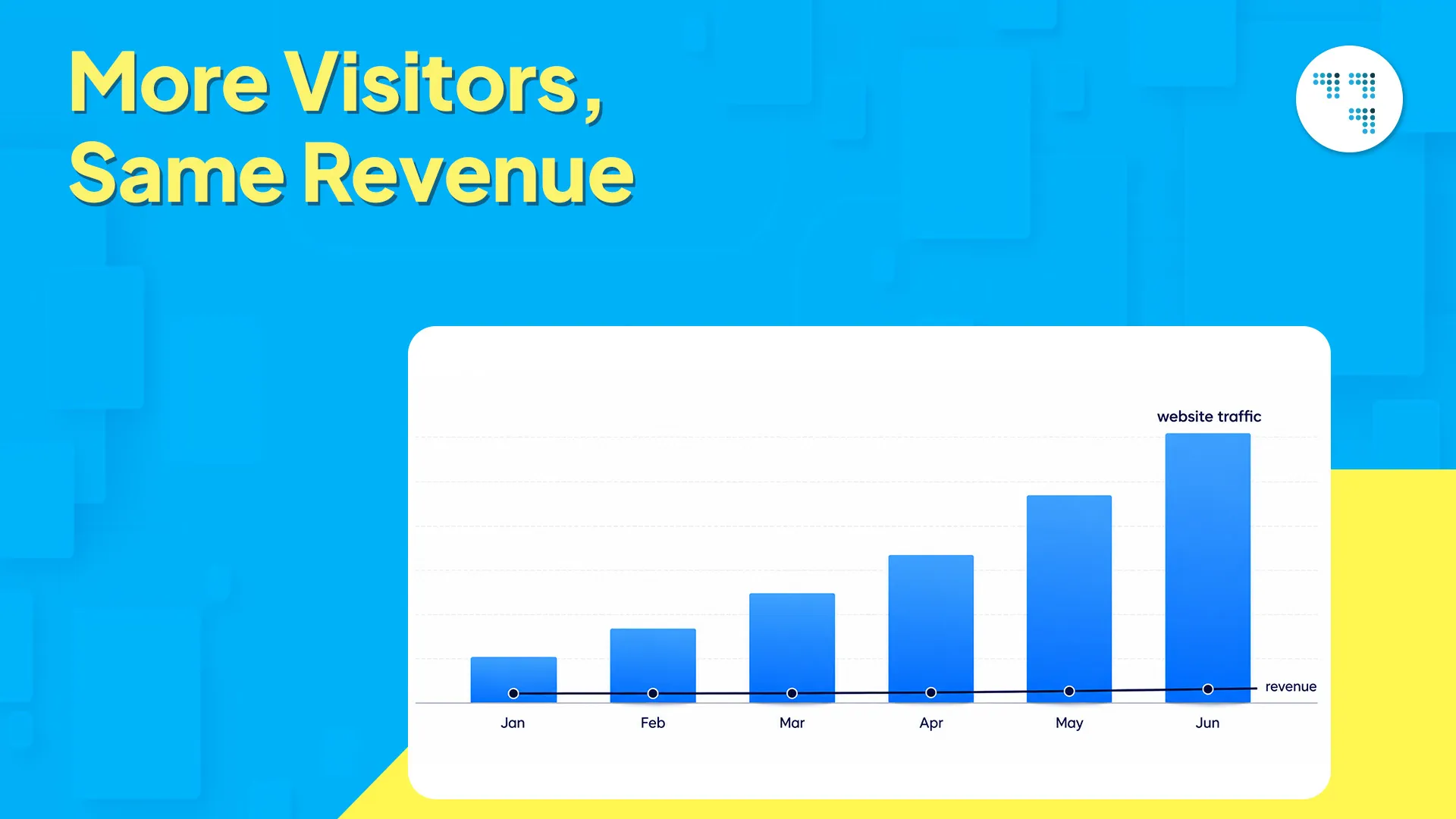
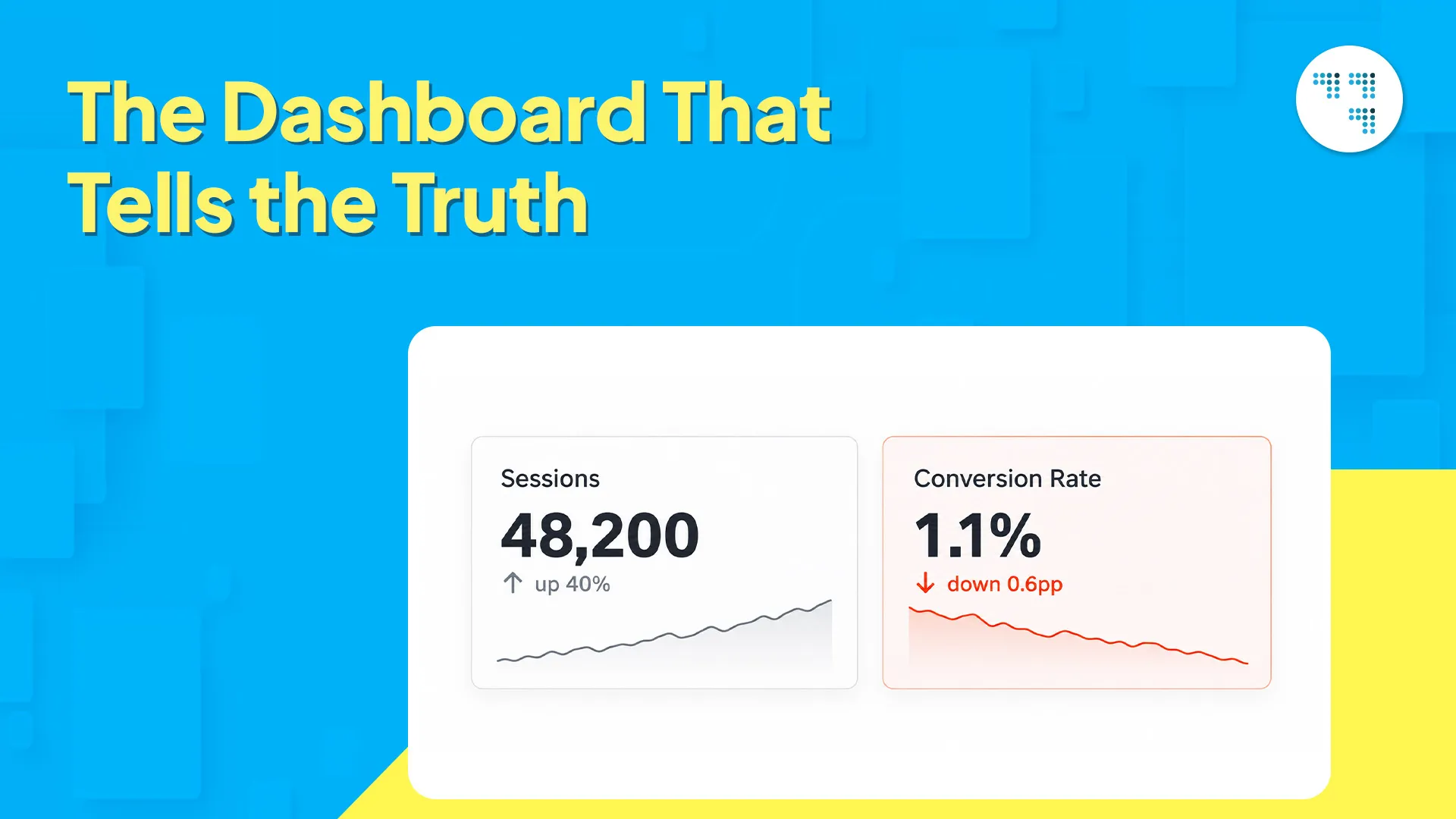
Traffic went up 40% this quarter. Sales didn’t move.If you’ve just had this same conversation in a review meeting, the problem usually isn’t the campaign, it’s the metric everyone agrees to follow. Measuring and reporting website traffic is easy; Revenue is not, and there is a much weaker relationship between the two than most dashboards suggest.
No, not reliably. Responds to traffic arrival and spending; Conversions respond to visitor intent, page experience and make appropriate offers. If additional visitors are of lower intent than the existing audience, the site may double its traffic and conversions may remain stagnant, or may drop. The average website only converts 2% to 3% of visitors regardless of volume, so moving to the top of the funnel without fixing the other 97-98% mostly increases costs, not revenue.
Contentsquare’s 2026 Digital Experience Benchmark, built from over 46 billion sessions, puts the global average website conversion rate at 2.35%, with the top 10% converting at 11.45% or higher. That gap has nothing to do with how much traffic either site gets.
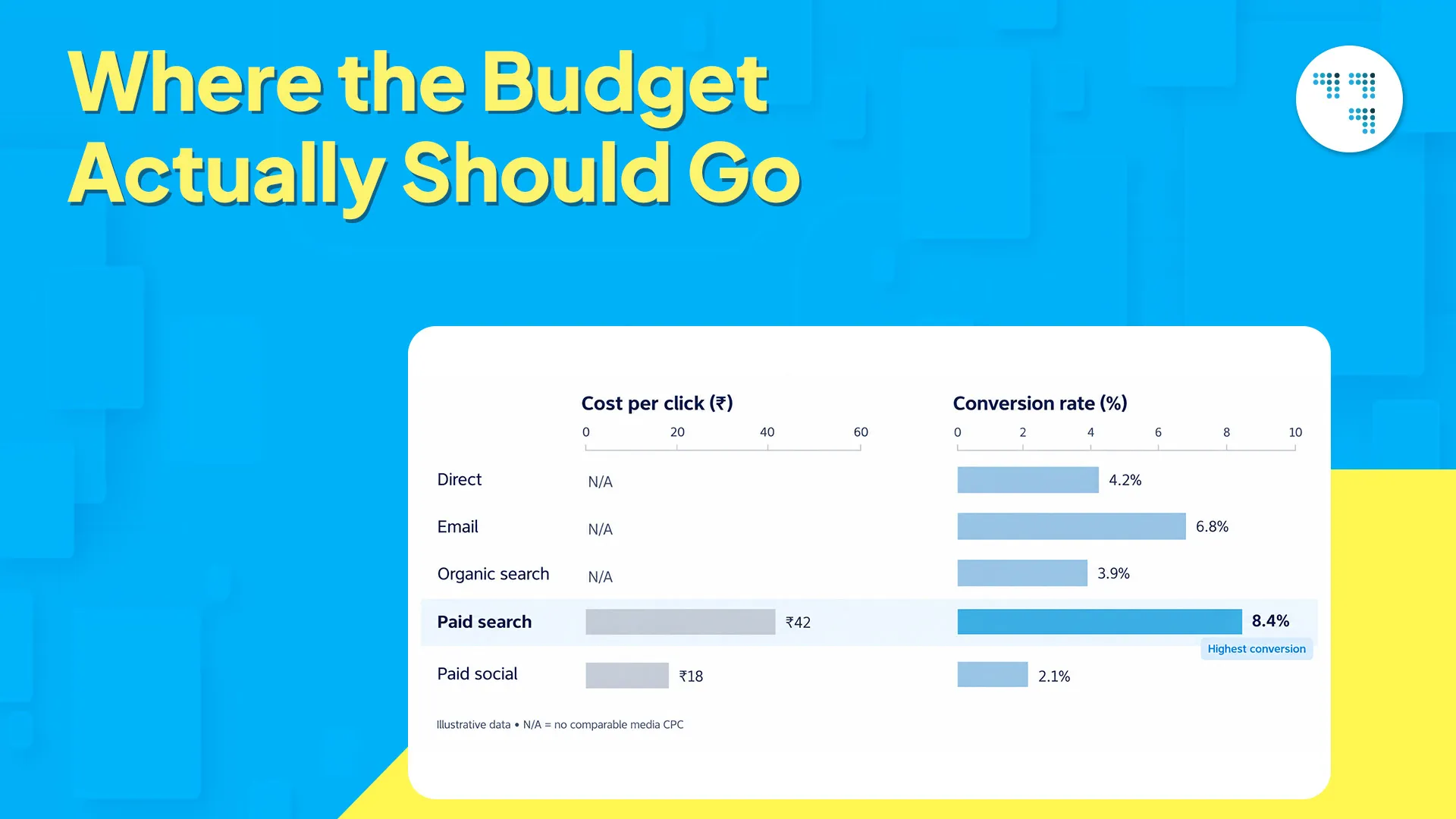
Traffic source matters more than traffic volume. Conversion rate varies sharply by where a visitor comes from:
Traffic source | Typical conversion rate |
Direct traffic | ~7.4% |
~6.9% | |
Organic search | ~5.4% |
Paid search | ~5.0% |
Referral | ~4.4% |
Paid social | ~2.8% |
Organic social | ~1.9% |
Device matters too. Desktop converts at roughly 4.1% on average, mobile at around 2.3%, despite mobile carrying over 60% of total traffic in most industries, per 2026 data from Visionary Marketing’s Conversion Rate Benchmarks report. A campaign driving mostly mobile, social clicks can post a large traffic number and a disappointing revenue number from the same budget.
A visitor who clicked a broad social ad and one who searched your exact service name are both “traffic,” but nowhere near equally likely to buy. Counting them the same way hides which channel is actually worth the spend.
Even high-intent traffic converts poorly on a weak landing page, a point we cover directly in why Google Ads campaigns stop converting: clicks without a matching page just produce more traffic, not more customers.
If traffic is the KPI, budget drifts toward whichever channel produces the cheapest clicks, usually broad social and display, which are consistently the lowest-converting sources in the table above. Optimising for traffic actively pulls spend away from the channels that convert.
Traffic-focused approach | Conversion-focused approach |
KPI: sessions, clicks, impressions | KPI: conversion rate, cost per customer, revenue |
Budget flows to cheapest clicks | Budget flows to highest-converting channels |
Success looks like a bigger traffic chart | Success looks like a lower cost per customer |
Landing pages optimised for broad appeal | Landing pages built for one specific visitor intent |
The difference isn’t which metric gets ignored, it’s which one decides where the next rupee of budget goes.
If you want this broken down for your own channels, our case studies cover a few examples of shifting budget from traffic to conversion metrics.

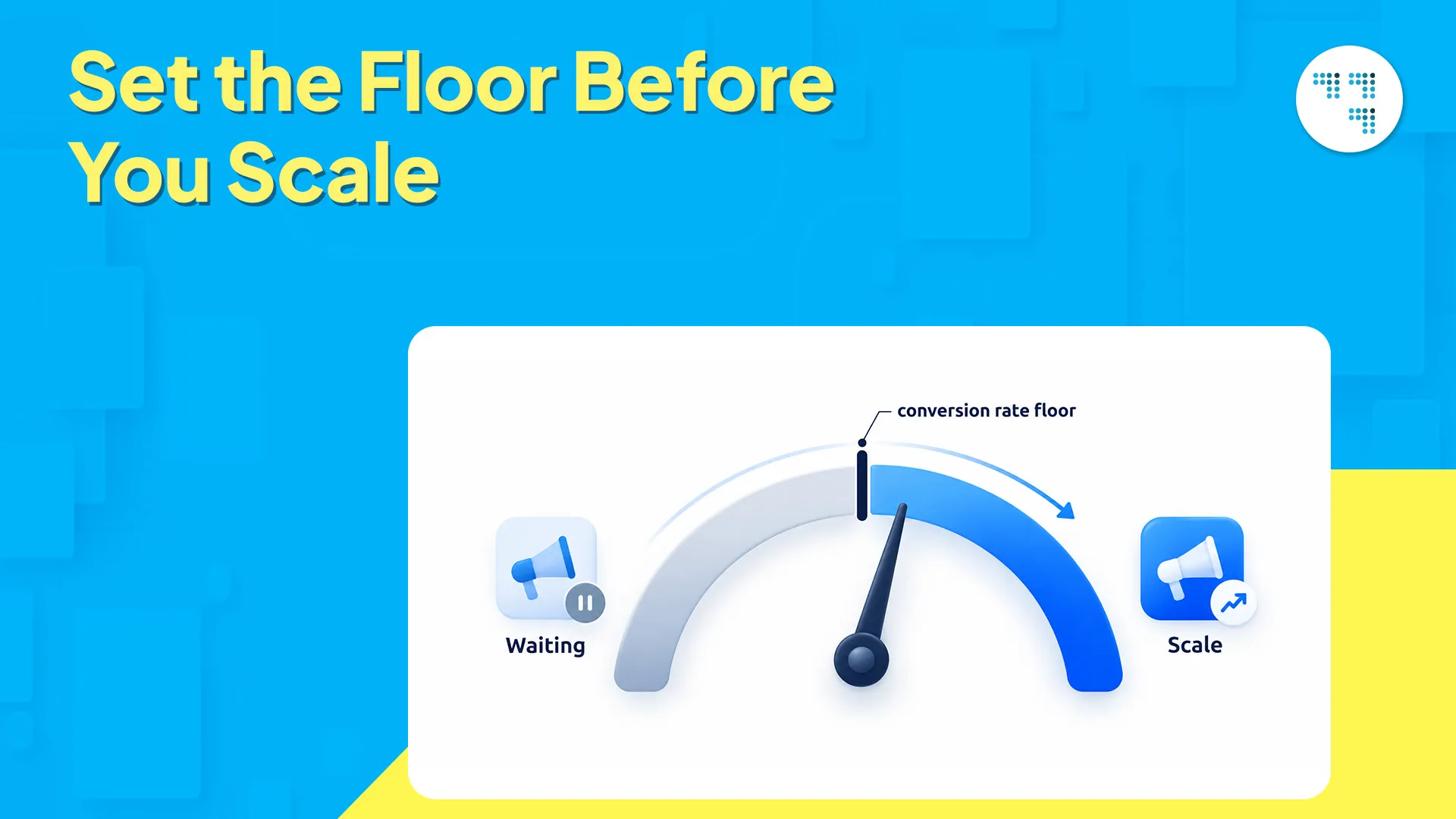
High traffic feels like progress because it’s easy to see and easy to grow. Digital marketing ROI isn’t decided by how many clicks arrive, it’s decided by what happens after. Shift the KPI from traffic to conversion rate and cost per customer, and the same budget you’re already spending on paid media starts producing a different, more honest number to report.
Traffic measures reach, not intent. The average site converts only 2% to 3% of visitors regardless of volume, so extra traffic that isn’t higher-intent mostly adds cost, not revenue. A site can double its visitors and still see the same number of customers if the new visitors were never ready to buy. RDS Digital looks at who is arriving and why before looking at how many.
Around 2.35% is the 2026 global average across industries, per Contentsquare’s benchmark data. The top 10% convert at 11.45% or higher, usually through better intent-matching, not more traffic. Your industry, offer and traffic mix all affect what a good rate looks like for you. RDS Digital helps clients set a realistic benchmark and track progress against it.
An approach that sets conversion rate and cost per customer as the primary KPI, so budget moves toward channels that produce customers, not just cheap traffic. Reports focus on enquiries, sales and cost per customer rather than clicks and impressions. This is how RDS Digital plans campaigns, with the end result in mind from the start.
Direct and email traffic typically convert highest, often above 6-7%, while broad paid and organic social traffic convert lowest, frequently under 3%. That doesn’t mean the lower-converting sources should be dropped, since they often build awareness that feeds the others. RDS Digital reviews conversion by source so each channel is judged on the role it plays.
Match each landing page to the visitor’s intent, remove unnecessary form fields, and fix the mobile experience, since mobile converts at roughly half the rate of desktop in most industries. Clear messaging and a single, obvious call to action also help. RDS Digital works on these fixes alongside paid media and SEO so the traffic you already have produces more customers.

#80, 1st mainSanthrupthi
Nagar,JP Nagar 7th Phase, Bengaluru-78

© Copyright 2026, All Rights Reserved by RDS Digital
© Copyright 2024, All Rights Reserved by RDS Digital
Want to grow Your Business With Our Digital Marketing Solutions?